

The Journal
The Makers Series #5 - Distinctive by Design with Tom Faulkner
Tom Faulkner on craftsmanship, collaboration, and designing distinctive furniture pieces for Ward & Co's Akaya Horizon project in the Caribbean.
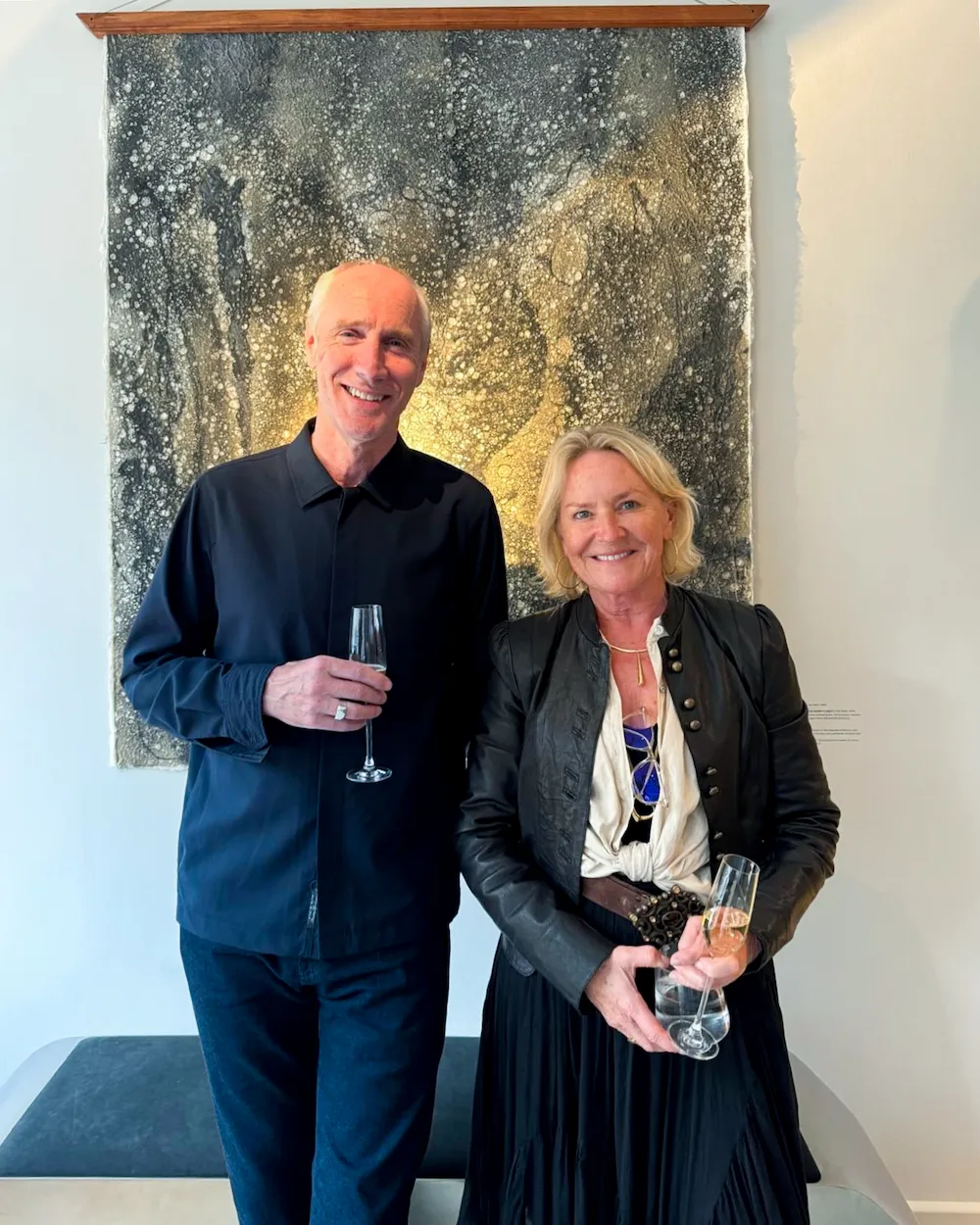
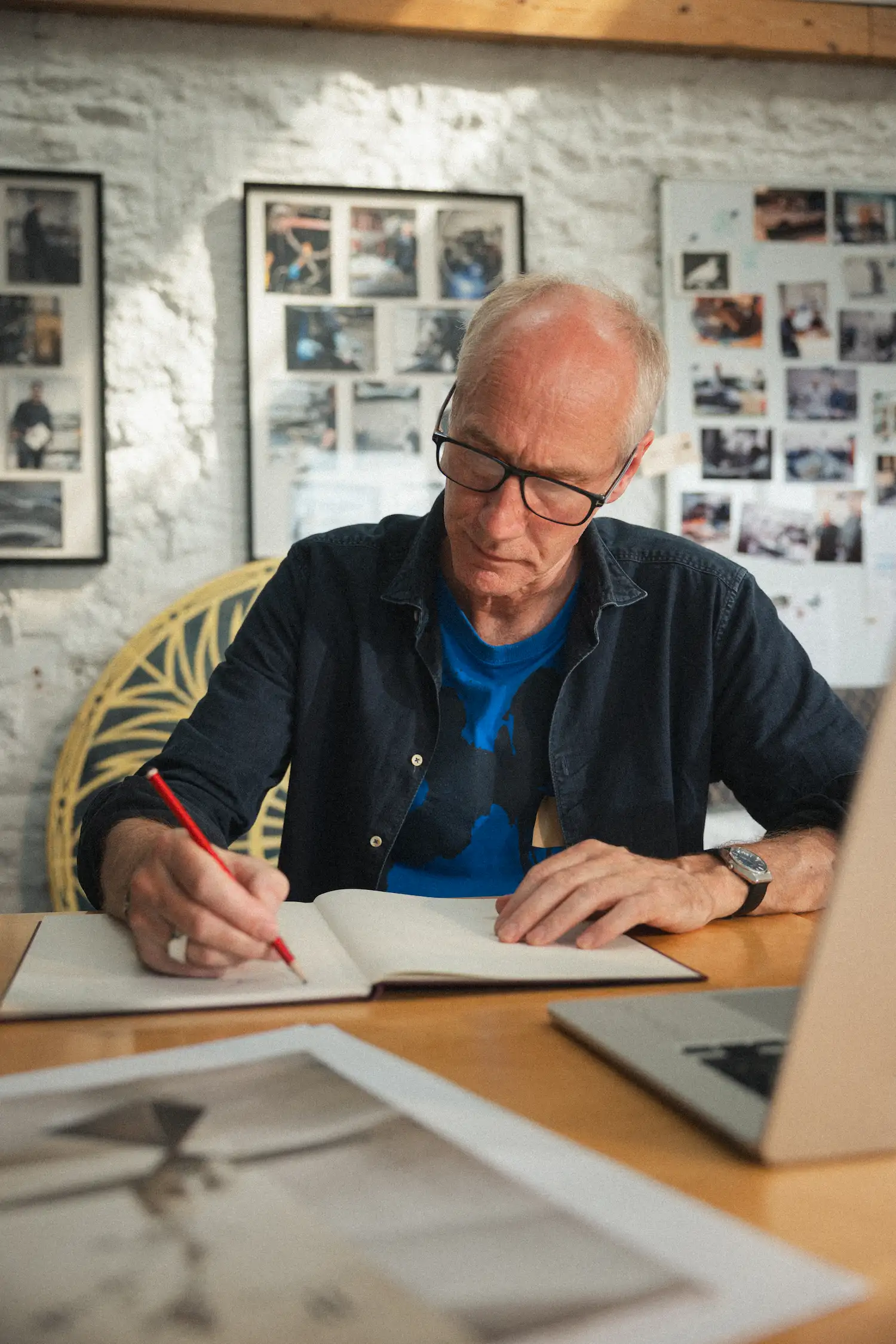
For the fifth edition of Ward & Co's Makers Series, we feature Tom Faulkner, the British designer-maker known for furniture that combines sculptural form with exceptional craftsmanship.
Founded in 1996, Tom Faulkner has built a reputation for distinctive pieces defined by clean lines, elegant proportions and meticulous handcraftsmanship. Made in the company's Wiltshire workshop, each piece reflects a commitment to quality, originality and enduring design.
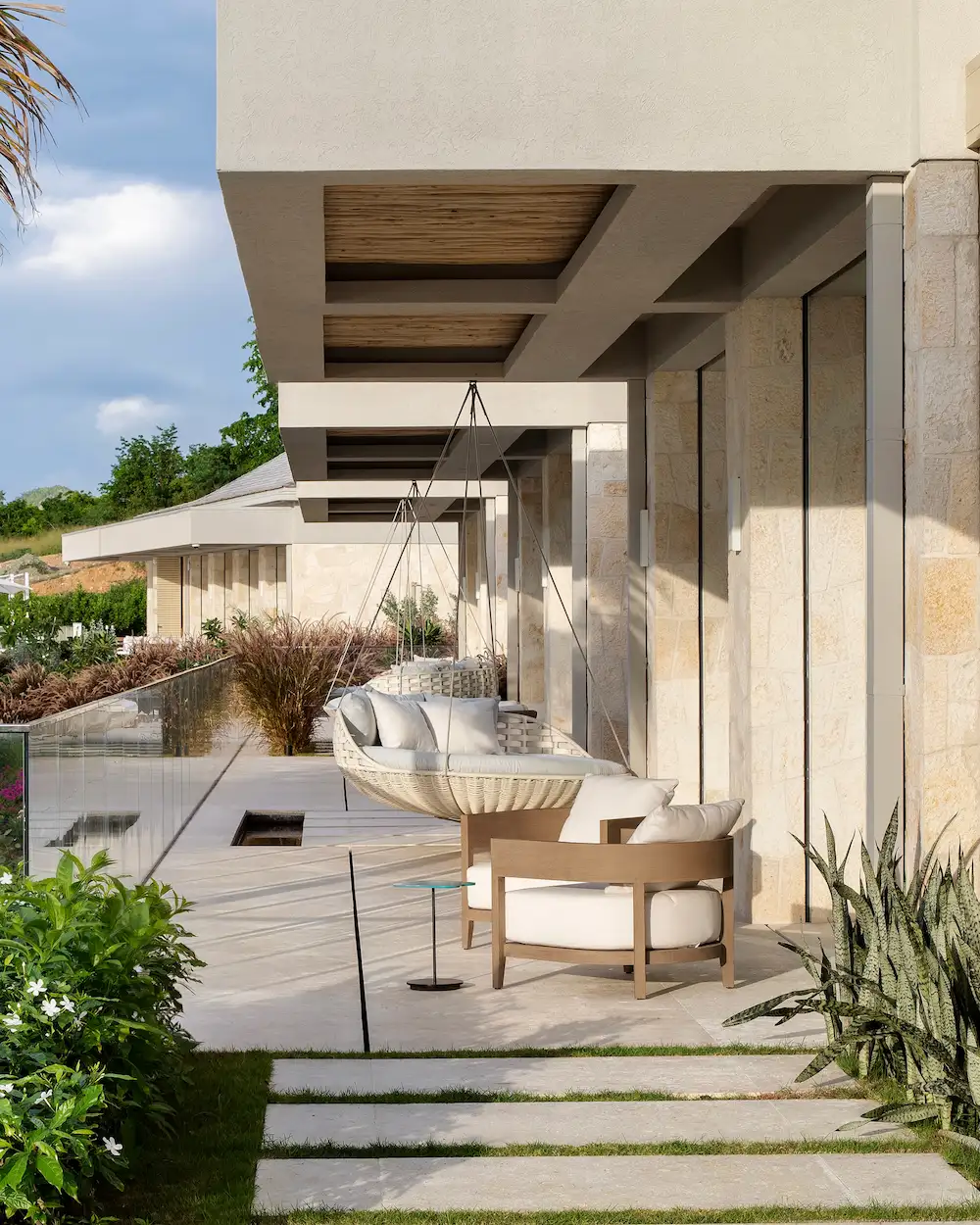
For Akaya Horizon, Ward & Co selected a collection of Tom Faulkner pieces that felt entirely at home within the project's vision. The Cloud Mirror, Papillon Console Table and Lily Cocktail Table each bring their own character, complementing the architecture and Caribbean setting with a sense of ease and individuality.
The following Q&A is with Tom Faulkner, reflecting on design, craftsmanship, collaboration and the enduring appeal of making beautiful things by hand.
1- You have been designing and making furniture for over 25 years, and your work sits in some of the world's most extraordinary homes. How has your approach to design evolved over that time, and what has stayed constant?
My approach to design hasn't necessarily changed too much over time but new techniques have made new things possible. For example, when I started out there was really no laser-cutting or anything like that, so everything had to be cut by hand. A lot of what I have designed relies on laser (or water) cutting.
Everything still starts with a blank sheet of paper. I am not a trained furniture designer, and I am not a trained metalworker, but I am very interested in shapes, patterns, silhouettes and motifs. Most of what I design still starts with a two-dimensional idea, and goes on from there.
I was always greatly inspired by the 20th century modernists – Le Corbusier, Charlotte Perriand, Breuer etc., in that everything I do has a strong, distinctive silhouette, and very little ornamentation. Line and proportion are where it's at. It is the lines and proportion which can be both distinctive, and (hopefully) elegant.
I have become more focused as I have got older, and perhaps I am conscious of things I design fitting in with what has gone before. The lines you draw on a page are, in the end, your lines, and they can be as distinctive as your handwriting.
Having my own workshop is a great privilege in the design process. You would be amazed how long it took me to draw the base for our new Angel oval table. We had to make it three times before it was just right – shaving a millimetre here and a millimetre there. Literally!
2- The Cloud Mirror, Papillon Console Table, and Lily Cocktail Table each have a very distinct character. Can you walk us through the inspiration behind each of those pieces?
These pieces all have very different origins, but all have things in common. They are all organic shapes without straight lines, but they differ I guess in that Cloud and Lily are "shapes" whereas Papillon is a pattern.
The Cloud mirror is based on a shape that I had been playing around with for a while and had been in my sketchbook for a while but never found a home. Until it became the Cloud mirror. It's very simple, and one of those things which has come from the pencil on the page, rather than being inspired by anything specific. I find it very pleasing, and we have used the shape on coffee tables, side tables, and even a headboard I designed for SAVOIR.
Papillon has become one of our most successful pieces. When we launched it, it was very bold in terms of the pattern and colour. It was inspired by the lines between the boulders I saw on a trip to Joshua Tree National Park in California. Although it's very different to everything else in our collection, it has always reminded me of the very early painted tables that I used to make before I got into metalwork. But that is a whole other story! The colours are all inspired and named after British butterflies.
The Lily cocktail table design had a very inauspicious start - as a door handle. I originally designed it for the cupboards in our showroom, a rough organic shape made out of brass. They worked very well, but when I looked at the door handles, I noticed they were like miniature tables. So, I made a collection of side tables of different heights using the shape. Firstly, they were made with metal and marble and bronze tops. They reminded me of lily pads – that's the reason they are called Lily.
I then had the good fortune to meet a family-run glass factory near Venice, and I had the idea of making cast glass tops for Lily. It has been a very successful piece, and the Lily shape has become equally successful. We use it for mirrors, coffee tables, ottomans, placemats and coasters. I think I see the shape being copied these days, but who knows? There is something very satisfactory about the shape.
3- Your pieces are made entirely by hand in your Wiltshire workshop; can you tell us a little more about the craftsmanship involved?
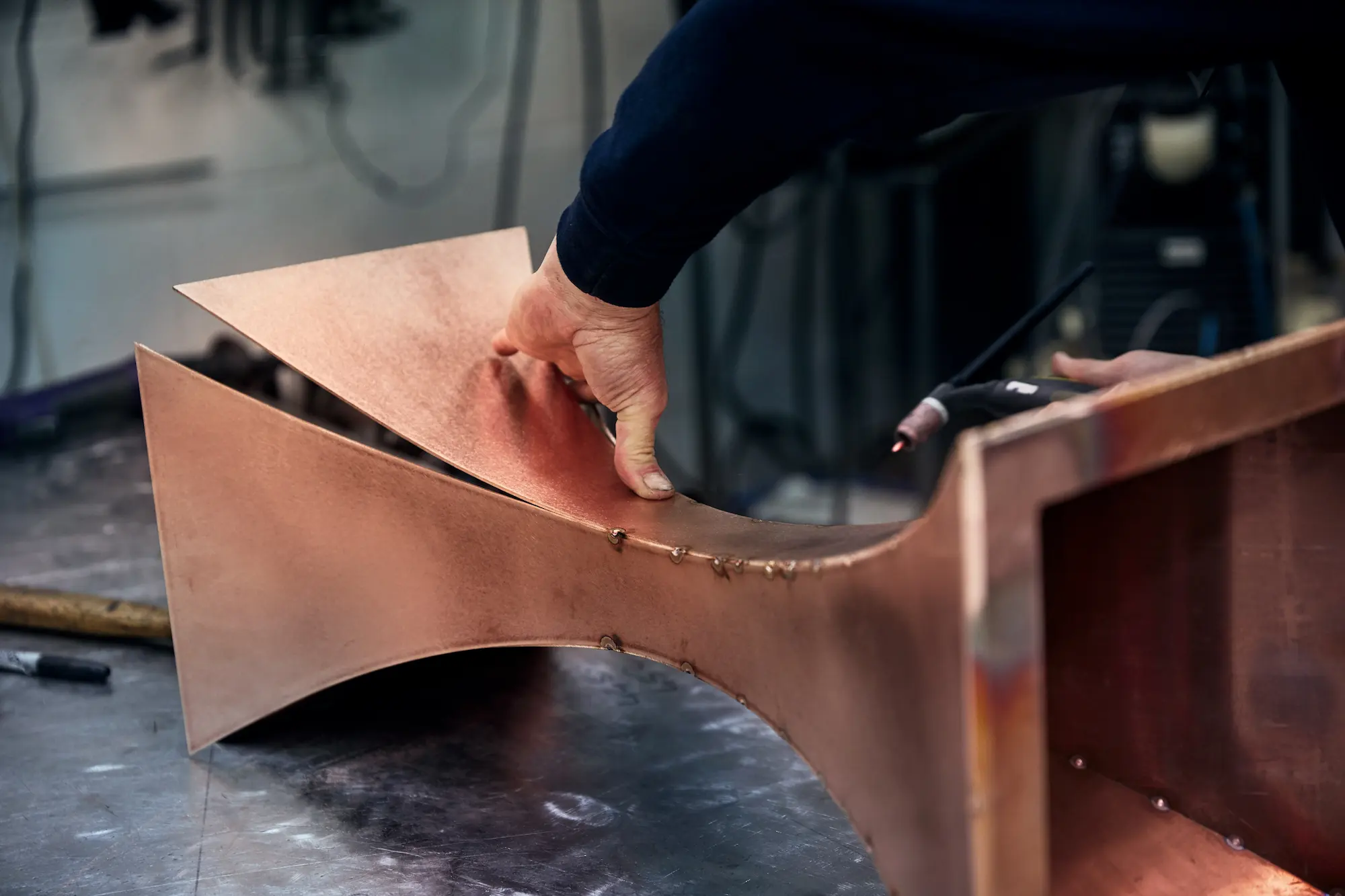
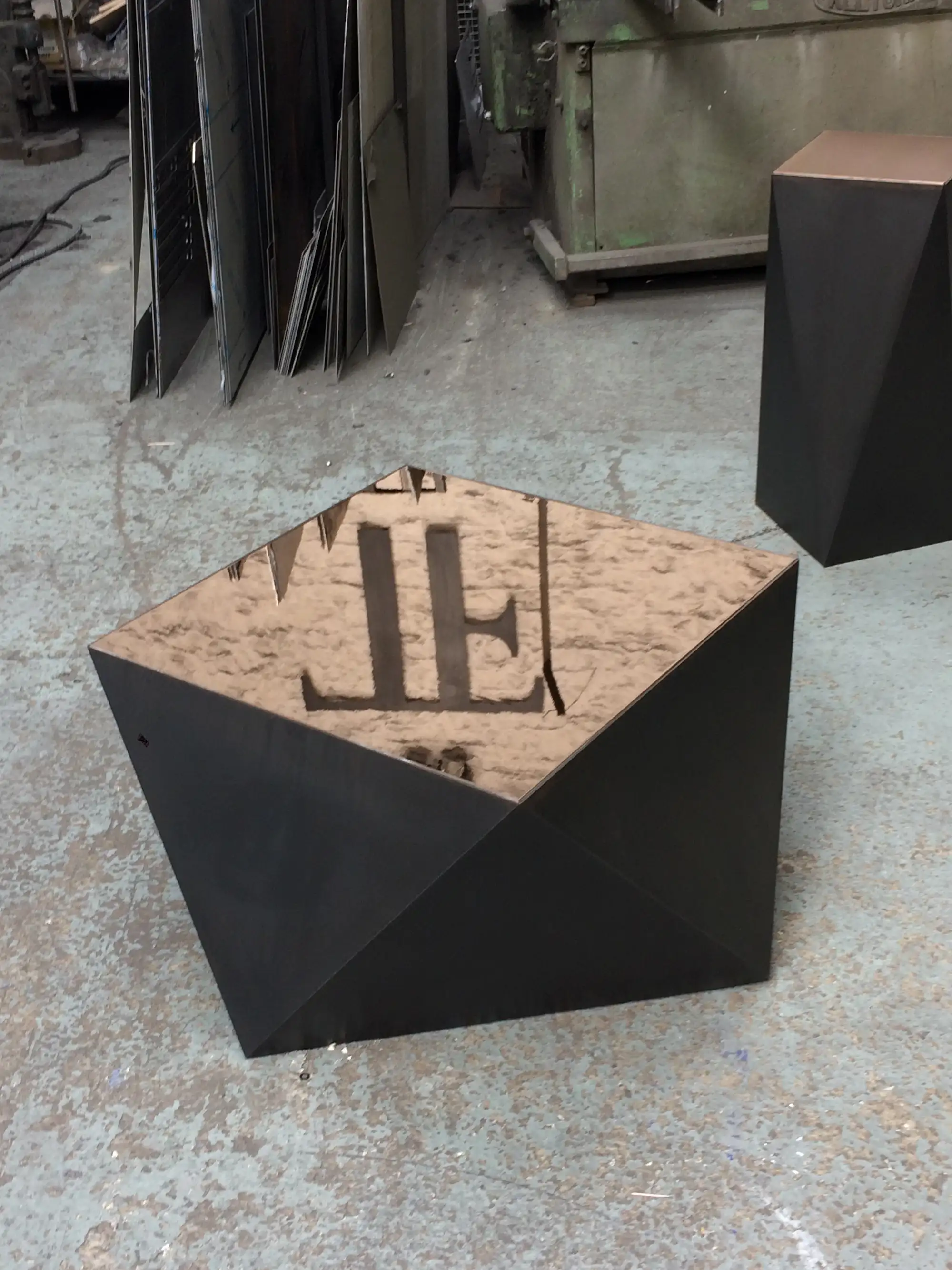
Almost everything we make is in metal – either bronze, steel, or occasionally aluminium or brass. What I design for TF is in some way always limited by the capabilities of our workshop. Broadly speaking we are welding and fabricating. Our real specialisation is probably sheet-metalwork. Some of the work that goes into pieces like the Wave dining table is incredibly difficult. I have one employee, Nigel Ballamy, who has worked with me for thirty years. He made my first pieces for me and knows how to do almost anything, passing on his knowledge and experience to others.
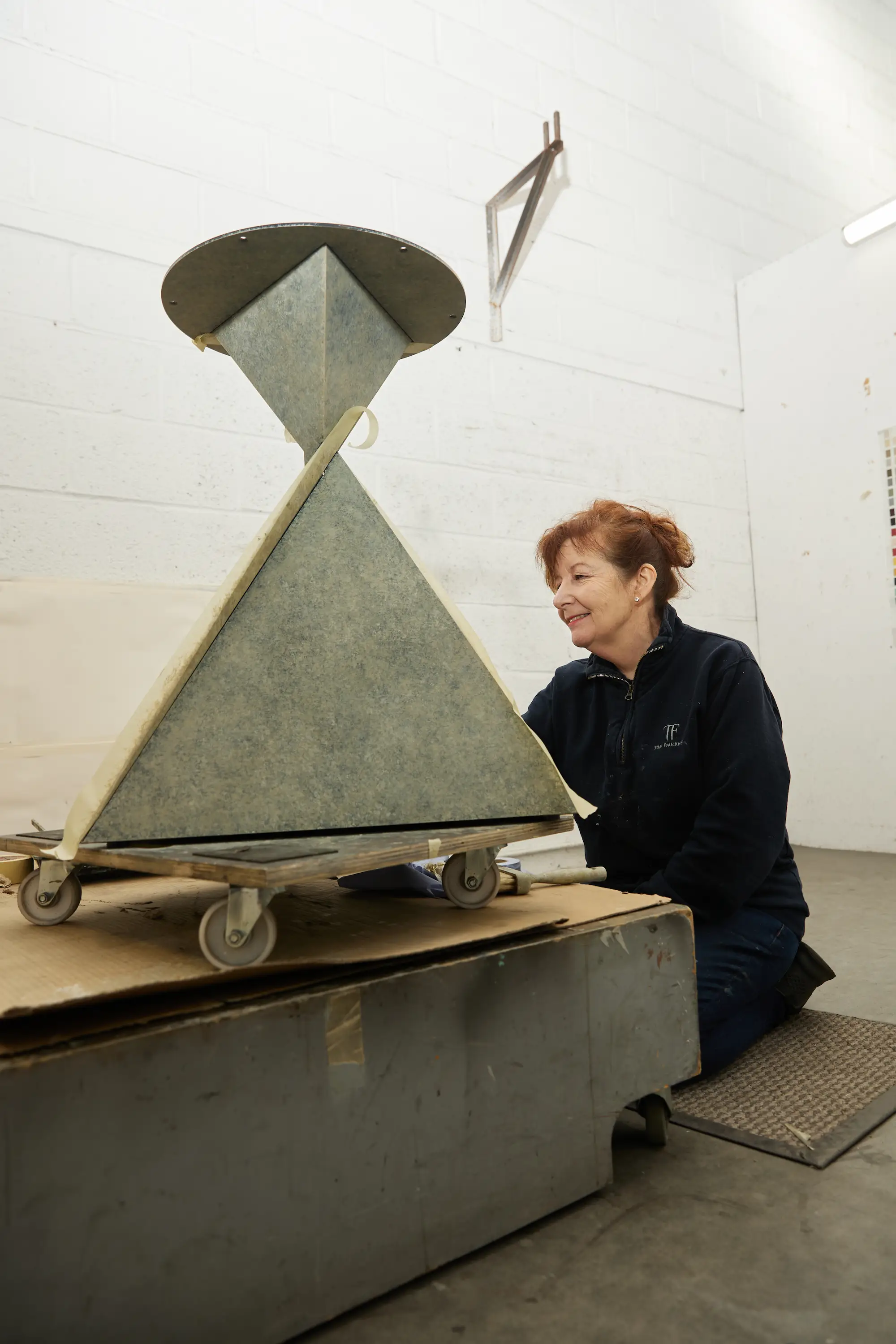
The skills in the workshop are very specific to what we make. I believe nothing can replace the physicality of making. I spend a lot of time in the workshop with makers, experimenting with materials, testing proportions, and refining details by hand. There's a certain knowledge that only comes from direct interaction with materials, the way metal bends under heat, the texture of a surface after finishing. The human factor is incredibly important in the making process.
A maker normally has to use their own judgement to know when a piece is actually finished, often by feeling it with their hands. Keeping that literal hands-on approach is essential to ensuring my designs retain their authenticity and soul.
We have a team of specialist finishers too who apply our own unique finishes, all by hand using techniques invented by our head of department who has been with me for twelve years.
4- When you are working with interior designers on a high-end residential project like Akaya Horizon, what does the best kind of collaboration look like?
Often some of my best ideas are actually my clients'! I like to collaborate on ideas and occasionally be pushed to do things, or use colours, for example, that I wouldn't usually use.
I like to work with clients who understand the process of making. Making by hand is difficult and things can sometimes go wrong and sometimes cannot be hurried. We have very good lead times, but in our workshop "if it isn't right, it cannot go out".
5- Your designs often take cues from nature. In a project like this, where the furniture sits against the backdrop of the Caribbean, do the surroundings create a different dialogue with the pieces than you might find elsewhere?
I travel a lot, but inspiration can be anywhere - from Joshua Tree National Park in California to the cracks in the pavement. I also look at buildings and sculpture. Sometimes different pieces feel more suited to a particular environment than others.
The Papillon console table is perfect for the Caribbean, particularly in Ulysses Blue, which is almost the colour of the Caribbean Sea. The light flowing lines of the design evoke sunlight on water. The Cloud shape of the mirror also feels particularly suited to the setting. The Lily tables will sit comfortably almost anywhere, while the Venetian glass really zings in Caribbean sunlight.
6- What do you want someone to feel the first time they walk into a room with a Tom Faulkner piece in it?
I like a Tom Faulkner piece to not necessarily shout but definitely to be noticed. As the architect Philip Johnson once said, "I just try to make beautiful things, that's all", which is pretty much how I feel.
Throughout this conversation, one theme emerges consistently: the power of simplicity. Whether discussing craftsmanship, collaboration or inspiration, Tom Faulkner returns to the importance of proportion, material and thoughtful design.
It is an approach that resonates strongly with Ward & Co's own philosophy. Both share a belief that the most successful interiors are shaped by carefully considered details, where furniture, materials and architecture work together rather than compete for attention.
In Akaya Horizon, those qualities come together effortlessly, creating spaces that feel distinctive, timeless and entirely at ease in their surroundings.
To learn more about our work and see some of our other projects, you can book a meeting with our team here.
.svg)
ward & co. Interiors
2nd Floor, 8 Queen Anne Street, London, W1G 9LD

The Journal
The Makers Series #5 - Distinctive by Design with Tom Faulkner
September 9, 2026
Tom Faulkner on craftsmanship, collaboration, and designing distinctive furniture pieces for Ward & Co's Akaya Horizon project in the Caribbean.
For the fifth edition of Ward & Co's Makers Series, we feature Tom Faulkner, the British designer-maker known for furniture that combines sculptural form with exceptional craftsmanship.
Founded in 1996, Tom Faulkner has built a reputation for distinctive pieces defined by clean lines, elegant proportions and meticulous handcraftsmanship. Made in the company's Wiltshire workshop, each piece reflects a commitment to quality, originality and enduring design.
For Akaya Horizon, Ward & Co selected a collection of Tom Faulkner pieces that felt entirely at home within the project's vision. The Cloud Mirror, Papillon Console Table and Lily Cocktail Table each bring their own character, complementing the architecture and Caribbean setting with a sense of ease and individuality.
The following Q&A is with Tom Faulkner, reflecting on design, craftsmanship, collaboration and the enduring appeal of making beautiful things by hand.
1- You have been designing and making furniture for over 25 years, and your work sits in some of the world's most extraordinary homes. How has your approach to design evolved over that time, and what has stayed constant?
My approach to design hasn't necessarily changed too much over time but new techniques have made new things possible. For example, when I started out there was really no laser-cutting or anything like that, so everything had to be cut by hand. A lot of what I have designed relies on laser (or water) cutting.
Everything still starts with a blank sheet of paper. I am not a trained furniture designer, and I am not a trained metalworker, but I am very interested in shapes, patterns, silhouettes and motifs. Most of what I design still starts with a two-dimensional idea, and goes on from there.
I was always greatly inspired by the 20th century modernists – Le Corbusier, Charlotte Perriand, Breuer etc., in that everything I do has a strong, distinctive silhouette, and very little ornamentation. Line and proportion are where it's at. It is the lines and proportion which can be both distinctive, and (hopefully) elegant.
I have become more focused as I have got older, and perhaps I am conscious of things I design fitting in with what has gone before. The lines you draw on a page are, in the end, your lines, and they can be as distinctive as your handwriting.
Having my own workshop is a great privilege in the design process. You would be amazed how long it took me to draw the base for our new Angel oval table. We had to make it three times before it was just right – shaving a millimetre here and a millimetre there. Literally!
2- The Cloud Mirror, Papillon Console Table, and Lily Cocktail Table each have a very distinct character. Can you walk us through the inspiration behind each of those pieces?
These pieces all have very different origins, but all have things in common. They are all organic shapes without straight lines, but they differ I guess in that Cloud and Lily are "shapes" whereas Papillon is a pattern.
The Cloud mirror is based on a shape that I had been playing around with for a while and had been in my sketchbook for a while but never found a home. Until it became the Cloud mirror. It's very simple, and one of those things which has come from the pencil on the page, rather than being inspired by anything specific. I find it very pleasing, and we have used the shape on coffee tables, side tables, and even a headboard I designed for SAVOIR.
Papillon has become one of our most successful pieces. When we launched it, it was very bold in terms of the pattern and colour. It was inspired by the lines between the boulders I saw on a trip to Joshua Tree National Park in California. Although it's very different to everything else in our collection, it has always reminded me of the very early painted tables that I used to make before I got into metalwork. But that is a whole other story! The colours are all inspired and named after British butterflies.
The Lily cocktail table design had a very inauspicious start - as a door handle. I originally designed it for the cupboards in our showroom, a rough organic shape made out of brass. They worked very well, but when I looked at the door handles, I noticed they were like miniature tables. So, I made a collection of side tables of different heights using the shape. Firstly, they were made with metal and marble and bronze tops. They reminded me of lily pads – that's the reason they are called Lily.
I then had the good fortune to meet a family-run glass factory near Venice, and I had the idea of making cast glass tops for Lily. It has been a very successful piece, and the Lily shape has become equally successful. We use it for mirrors, coffee tables, ottomans, placemats and coasters. I think I see the shape being copied these days, but who knows? There is something very satisfactory about the shape.
3- Your pieces are made entirely by hand in your Wiltshire workshop; can you tell us a little more about the craftsmanship involved?
Almost everything we make is in metal – either bronze, steel, or occasionally aluminium or brass. What I design for TF is in some way always limited by the capabilities of our workshop. Broadly speaking we are welding and fabricating. Our real specialisation is probably sheet-metalwork. Some of the work that goes into pieces like the Wave dining table is incredibly difficult. I have one employee, Nigel Ballamy, who has worked with me for thirty years. He made my first pieces for me and knows how to do almost anything, passing on his knowledge and experience to others.
The skills in the workshop are very specific to what we make. I believe nothing can replace the physicality of making. I spend a lot of time in the workshop with makers, experimenting with materials, testing proportions, and refining details by hand. There's a certain knowledge that only comes from direct interaction with materials, the way metal bends under heat, the texture of a surface after finishing. The human factor is incredibly important in the making process.
A maker normally has to use their own judgement to know when a piece is actually finished, often by feeling it with their hands. Keeping that literal hands-on approach is essential to ensuring my designs retain their authenticity and soul.
We have a team of specialist finishers too who apply our own unique finishes, all by hand using techniques invented by our head of department who has been with me for twelve years.
4- When you are working with interior designers on a high-end residential project like Akaya Horizon, what does the best kind of collaboration look like?
Often some of my best ideas are actually my clients'! I like to collaborate on ideas and occasionally be pushed to do things, or use colours, for example, that I wouldn't usually use.
I like to work with clients who understand the process of making. Making by hand is difficult and things can sometimes go wrong and sometimes cannot be hurried. We have very good lead times, but in our workshop "if it isn't right, it cannot go out".
5- Your designs often take cues from nature. In a project like this, where the furniture sits against the backdrop of the Caribbean, do the surroundings create a different dialogue with the pieces than you might find elsewhere?
I travel a lot, but inspiration can be anywhere - from Joshua Tree National Park in California to the cracks in the pavement. I also look at buildings and sculpture. Sometimes different pieces feel more suited to a particular environment than others.
The Papillon console table is perfect for the Caribbean, particularly in Ulysses Blue, which is almost the colour of the Caribbean Sea. The light flowing lines of the design evoke sunlight on water. The Cloud shape of the mirror also feels particularly suited to the setting. The Lily tables will sit comfortably almost anywhere, while the Venetian glass really zings in Caribbean sunlight.
6- What do you want someone to feel the first time they walk into a room with a Tom Faulkner piece in it?
I like a Tom Faulkner piece to not necessarily shout but definitely to be noticed. As the architect Philip Johnson once said, "I just try to make beautiful things, that's all", which is pretty much how I feel.
Throughout this conversation, one theme emerges consistently: the power of simplicity. Whether discussing craftsmanship, collaboration or inspiration, Tom Faulkner returns to the importance of proportion, material and thoughtful design.
It is an approach that resonates strongly with Ward & Co's own philosophy. Both share a belief that the most successful interiors are shaped by carefully considered details, where furniture, materials and architecture work together rather than compete for attention.
In Akaya Horizon, those qualities come together effortlessly, creating spaces that feel distinctive, timeless and entirely at ease in their surroundings.
To learn more about our work and see some of our other projects, you can book a meeting with our team here.