

The Journal
Meeting The Ward & Co Team - Paniz Alizadeh - Interior Designer
Architect-turned-interior-designer Paniz Alizadeh on swapping black for colour, and what she’s learned since joining Ward & Co.
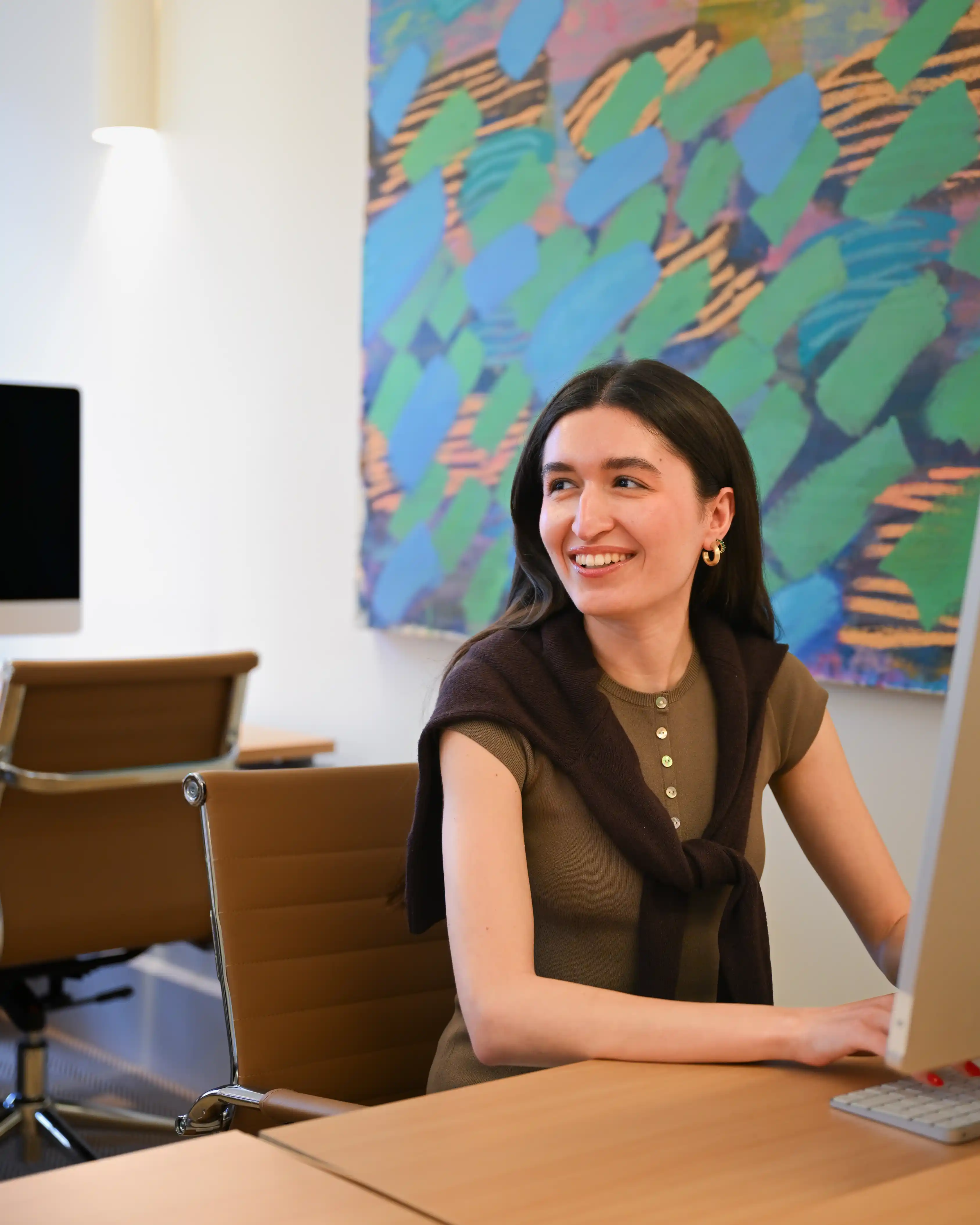
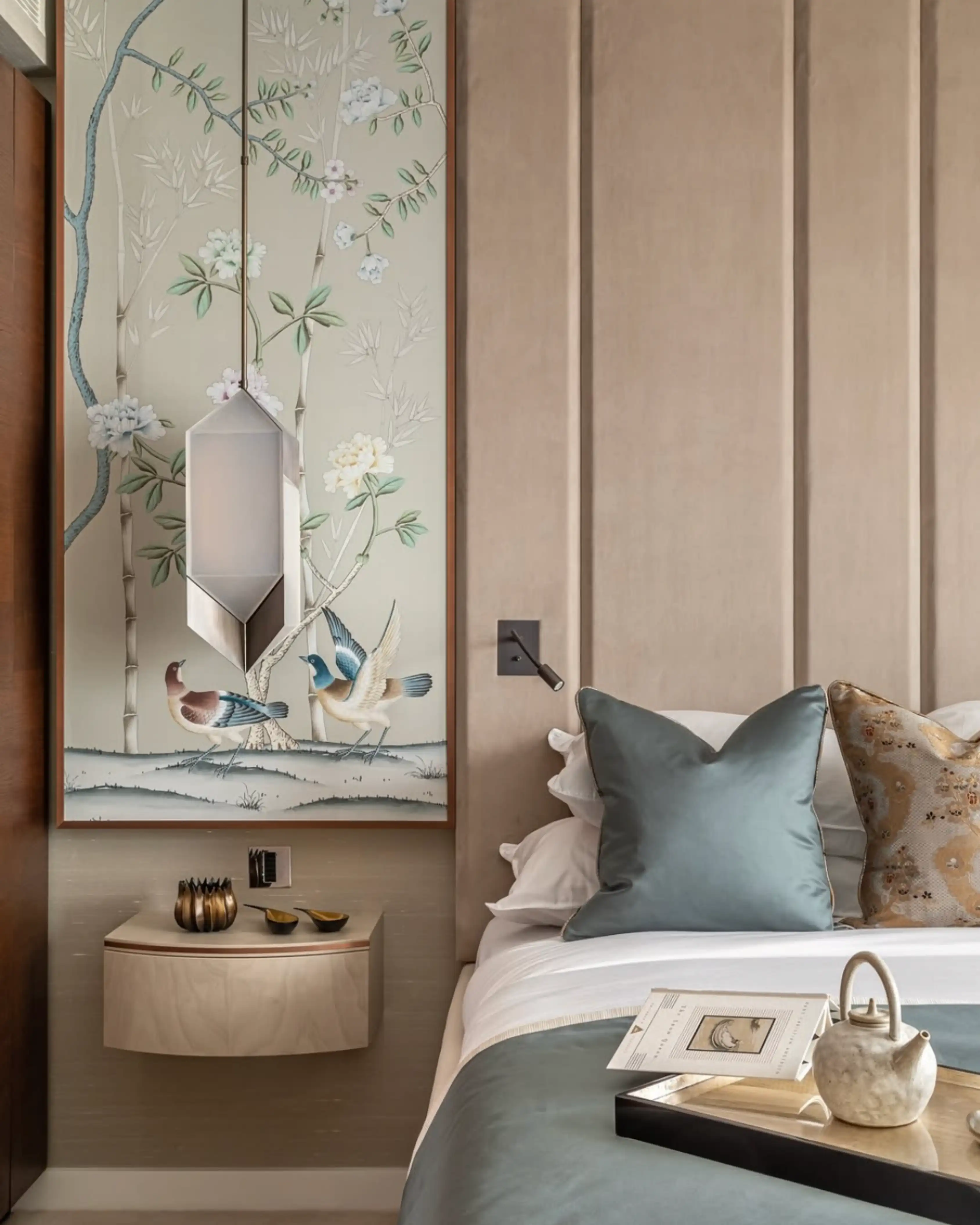
Paniz Alizadeh has committed the ultimate act of architectural rebellion: she has stopped wearing black. The Ward & Co interior designer trained as an architect, but soon found herself more interested in what was happening inside the building, where colour, fabric and personality could loosen up all those beautifully straight lines.
“Architecture is more technical, but I wanted a connection with all the things that bring a place to life,” she says. After completing both her architecture degree and master’s at the University of Reading, Paniz worked briefly for Jam Design Works before making the move into freelance interior design. It was a steep learning curve involving pitches, networking, finances and diary management, with some actual designing squeezed in when time allowed.
While applying for permanent roles, Paniz used social media to seek out studios whose work felt right for her. The algorithm led her to Ward & Co, proving that occasionally it does offer something more useful than videos of other people’s holidays. She joined on an initial three-month contract last year, working remotely from Munich, where her boyfriend had secured a job. Ward & Co supported the arrangement, but Paniz enjoyed the role so much that the couple decided to return to London.
Her international outlook was already well established. Born in London to Iranian parents, Paniz lived in Tehran between the ages of nine and sixteen and speaks English, Persian and Turkish. She is also a twin, and her sister is a jewellery designer who launched her own company. One works in precious metals and stones, while the other works in rooms and buildings, but both understand that the smallest detail can change everything.
Q&A with Paniz Alizadeh
1- What projects are you currently working on at Ward & Co, and what aspects of them are you most enjoying?
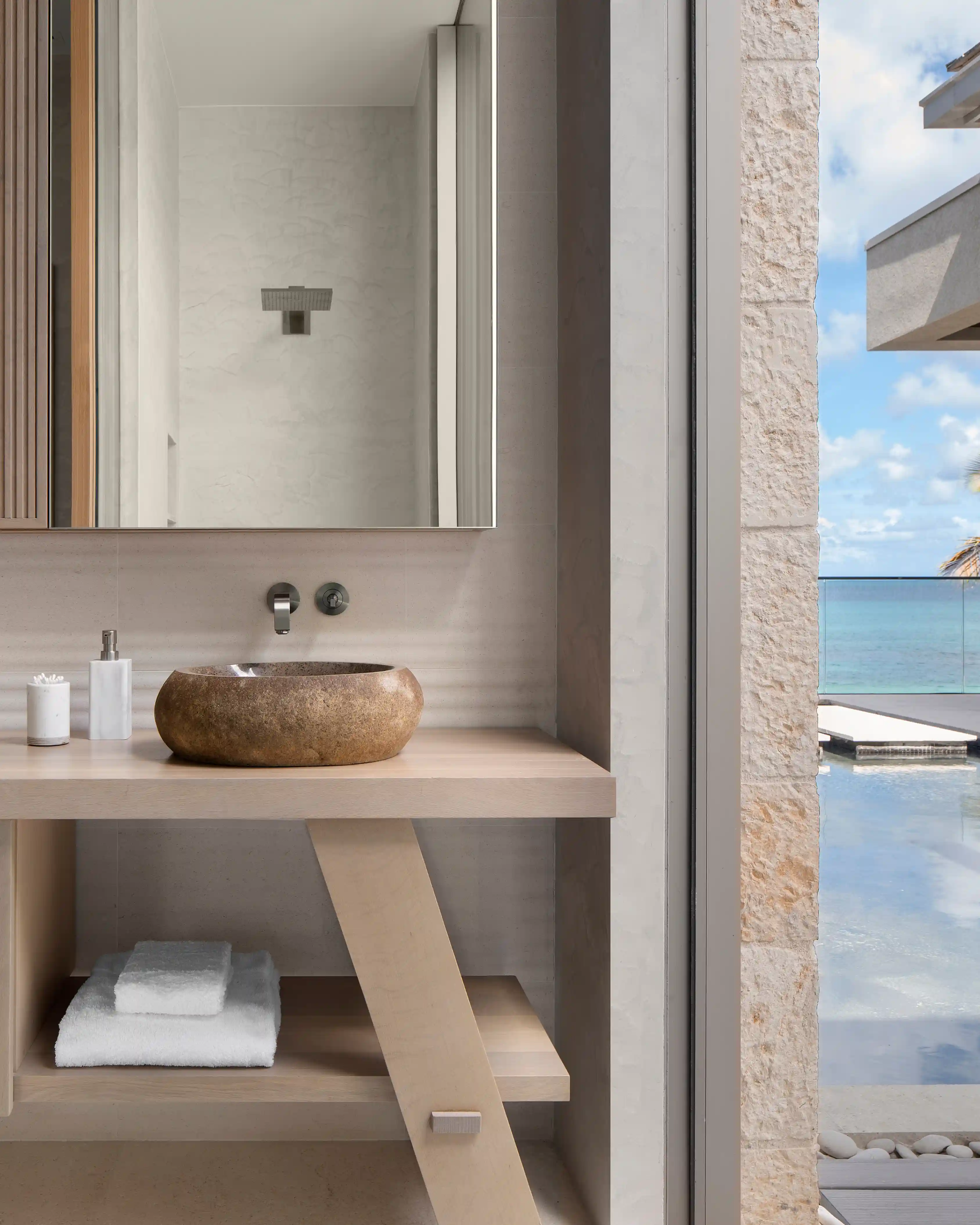
“I’m currently working on projects in the Caribbean, mainly focusing on technical drawings. I enjoy the interior architecture side because it shows you how much coordination is needed to make a design work.”
“Even a small detail can involve input from architects, M&E consultants and lighting designers, with plenty of changes along the way. It is the more technical side of a project, but it is rewarding to see how those details support the overall design once everything comes together.”
2- If you could design a home anywhere in the world, where would it be and why?
“I would design a home in Japan, somewhere with a strong connection to history rather than in a major city. I’m drawn to the way Japanese architecture embraces the passage of time instead of trying to erase it, with a deep appreciation for craftsmanship, natural materials and buildings that evolve over generations.”
“I would love to restore an older home, preserving the qualities that give it its identity while carefully adding contemporary elements that improve how it functions today. The aim would not be to make the old look new, but to keep each layer of the building’s history visible while adding a new chapter of its own.”
3- Do you have a favourite design era or movement that continues to influence your work today?
“I align most closely with contemporary adaptive reuse and contextual modernism. I enjoy preserving the craftsmanship, history and identity of a building, then adding a modern layer that complements rather than imitates the original. The contrast between old and new can create some of the most interesting and meaningful spaces.”
4- What first drew you to interior design, and what has kept you passionate about it throughout your career?
“I come from an architecture background, and while I’ve always enjoyed technical drawings and detailed design work, I felt I was missing the more personal side of the industry. Interior design gives me the opportunity to understand how people live and interact with a space, then translate that into something intuitive and meaningful.”
“I enjoy working with materials, fabrics, colours and textures to create atmosphere and bring warmth and character into a room. For me, architecture provides the framework, while interiors bring the story and personality. Balancing technical precision with creativity and personal connection is what I find most rewarding.”
5- If you could collaborate with any craftsperson, past or present, who would it be and why?
“I would love to collaborate with Sebastian Cox because of his craft-led approach and respect for natural materials. His work shows how traditional techniques and contemporary design can coexist without losing the history or imperfections that make a material interesting.”
“I’m also inspired by Piet Hein Eek, who gives existing materials a new purpose while allowing their past to remain visible. Both create a conversation between heritage and modern living, which is something I would like to explore further in my own work.”
Paniz is currently producing detailed drawing packs for Ward & Co’s Caribbean projects, a responsibility well suited to her architectural background. She still has the architect’s eye, although she is now less interested in making everything align and more interested in breaking spaces up and helping them flow. She particularly admires Peter Zumthor, whose minimalist buildings use windows, light and the colours outside to shape the atmosphere within.
Her ambition is to manage and lead a project like Ward & Co’s senior designers, although she knows experience cannot be rushed. “You can’t learn without going through it,” she says, which may also explain her approach to travel. She returns to Iran whenever possible, especially to Isfahan, and recently hiked up a volcano in Indonesia to admire the view from the top. Between Caribbean drawing packs and volcanic climbs, Paniz is clearly comfortable with a challenge, just preferably one with a little more colour than the average architect’s wardrobe.
.svg)
ward & co. Interiors
2nd Floor, 8 Queen Anne Street, London, W1G 9LD

The Journal
Meeting The Ward & Co Team - Paniz Alizadeh - Interior Designer
July 21, 2026
Architect-turned-interior-designer Paniz Alizadeh on swapping black for colour, and what she’s learned since joining Ward & Co.
Paniz Alizadeh has committed the ultimate act of architectural rebellion: she has stopped wearing black. The Ward & Co interior designer trained as an architect, but soon found herself more interested in what was happening inside the building, where colour, fabric and personality could loosen up all those beautifully straight lines.
“Architecture is more technical, but I wanted a connection with all the things that bring a place to life,” she says. After completing both her architecture degree and master’s at the University of Reading, Paniz worked briefly for Jam Design Works before making the move into freelance interior design. It was a steep learning curve involving pitches, networking, finances and diary management, with some actual designing squeezed in when time allowed.
While applying for permanent roles, Paniz used social media to seek out studios whose work felt right for her. The algorithm led her to Ward & Co, proving that occasionally it does offer something more useful than videos of other people’s holidays. She joined on an initial three-month contract last year, working remotely from Munich, where her boyfriend had secured a job. Ward & Co supported the arrangement, but Paniz enjoyed the role so much that the couple decided to return to London.
Her international outlook was already well established. Born in London to Iranian parents, Paniz lived in Tehran between the ages of nine and sixteen and speaks English, Persian and Turkish. She is also a twin, and her sister is a jewellery designer who launched her own company. One works in precious metals and stones, while the other works in rooms and buildings, but both understand that the smallest detail can change everything.
Q&A with Paniz Alizadeh
1- What projects are you currently working on at Ward & Co, and what aspects of them are you most enjoying?
“I’m currently working on projects in the Caribbean, mainly focusing on technical drawings. I enjoy the interior architecture side because it shows you how much coordination is needed to make a design work.”
“Even a small detail can involve input from architects, M&E consultants and lighting designers, with plenty of changes along the way. It is the more technical side of a project, but it is rewarding to see how those details support the overall design once everything comes together.”
2- If you could design a home anywhere in the world, where would it be and why?
“I would design a home in Japan, somewhere with a strong connection to history rather than in a major city. I’m drawn to the way Japanese architecture embraces the passage of time instead of trying to erase it, with a deep appreciation for craftsmanship, natural materials and buildings that evolve over generations.”
“I would love to restore an older home, preserving the qualities that give it its identity while carefully adding contemporary elements that improve how it functions today. The aim would not be to make the old look new, but to keep each layer of the building’s history visible while adding a new chapter of its own.”
3- Do you have a favourite design era or movement that continues to influence your work today?
“I align most closely with contemporary adaptive reuse and contextual modernism. I enjoy preserving the craftsmanship, history and identity of a building, then adding a modern layer that complements rather than imitates the original. The contrast between old and new can create some of the most interesting and meaningful spaces.”
4- What first drew you to interior design, and what has kept you passionate about it throughout your career?
“I come from an architecture background, and while I’ve always enjoyed technical drawings and detailed design work, I felt I was missing the more personal side of the industry. Interior design gives me the opportunity to understand how people live and interact with a space, then translate that into something intuitive and meaningful.”
“I enjoy working with materials, fabrics, colours and textures to create atmosphere and bring warmth and character into a room. For me, architecture provides the framework, while interiors bring the story and personality. Balancing technical precision with creativity and personal connection is what I find most rewarding.”
5- If you could collaborate with any craftsperson, past or present, who would it be and why?
“I would love to collaborate with Sebastian Cox because of his craft-led approach and respect for natural materials. His work shows how traditional techniques and contemporary design can coexist without losing the history or imperfections that make a material interesting.”
“I’m also inspired by Piet Hein Eek, who gives existing materials a new purpose while allowing their past to remain visible. Both create a conversation between heritage and modern living, which is something I would like to explore further in my own work.”
Paniz is currently producing detailed drawing packs for Ward & Co’s Caribbean projects, a responsibility well suited to her architectural background. She still has the architect’s eye, although she is now less interested in making everything align and more interested in breaking spaces up and helping them flow. She particularly admires Peter Zumthor, whose minimalist buildings use windows, light and the colours outside to shape the atmosphere within.
Her ambition is to manage and lead a project like Ward & Co’s senior designers, although she knows experience cannot be rushed. “You can’t learn without going through it,” she says, which may also explain her approach to travel. She returns to Iran whenever possible, especially to Isfahan, and recently hiked up a volcano in Indonesia to admire the view from the top. Between Caribbean drawing packs and volcanic climbs, Paniz is clearly comfortable with a challenge, just preferably one with a little more colour than the average architect’s wardrobe.