

The Journal
The Makers Series #2 - How to Choose the Ideal Rug with Silk Avenue
Learn how effective collaboration with interior designers helps Silk Avenue to craft the perfect rug for all of their design projects.
Ward & Co’s The Makers Series explores the craftsmanship behind the details that shape a space. In this first edition, Jeff Holtgen, Director at Silk Avenue, and Carmen Arcos, Associate at Silk Avenue, discuss collaboration, materiality and the quiet impact of a well-considered rug.

Q&A
1. Rugs often become the foundation of a room. How do you approach designing something that grounds a space without overpowering it?

Carmen: I always value being part of the design conversation, especially when working with interior designers to create something cohesive and full of synergy. My starting point is understanding the overall scheme and the client’s preferences, whether that’s through colour, texture, or depth.
From there, it’s about balance - designing a rug that fits the space without competing with it. Ultimately, the goal is to create something that feels integral, enhancing and subtly elevating the room.
2. When a bespoke commission begins, what are you looking for in the brief, proportion, palette, atmosphere, or something less tangible about the space?

Jeff: We’re usually stepping into a scheme that’s already been carefully developed by the designer in response to the client, so our role is to understand where the rug can add something meaningful.
Proportion and placement are always the starting point, but beyond that we’re looking at how each space is meant to function and feel. Some rooms call for something more expressive, others for something quieter and more Grounding.
From there, we advise on materials and construction to ensure the rugs not only suit the aesthetic, but also perform well over time. It’s really about helping translate the designer’s vision into something that works both visually and Practically.
3. The making of a rug involves remarkable skill and time. What aspects of the craft do clients often find most surprising?
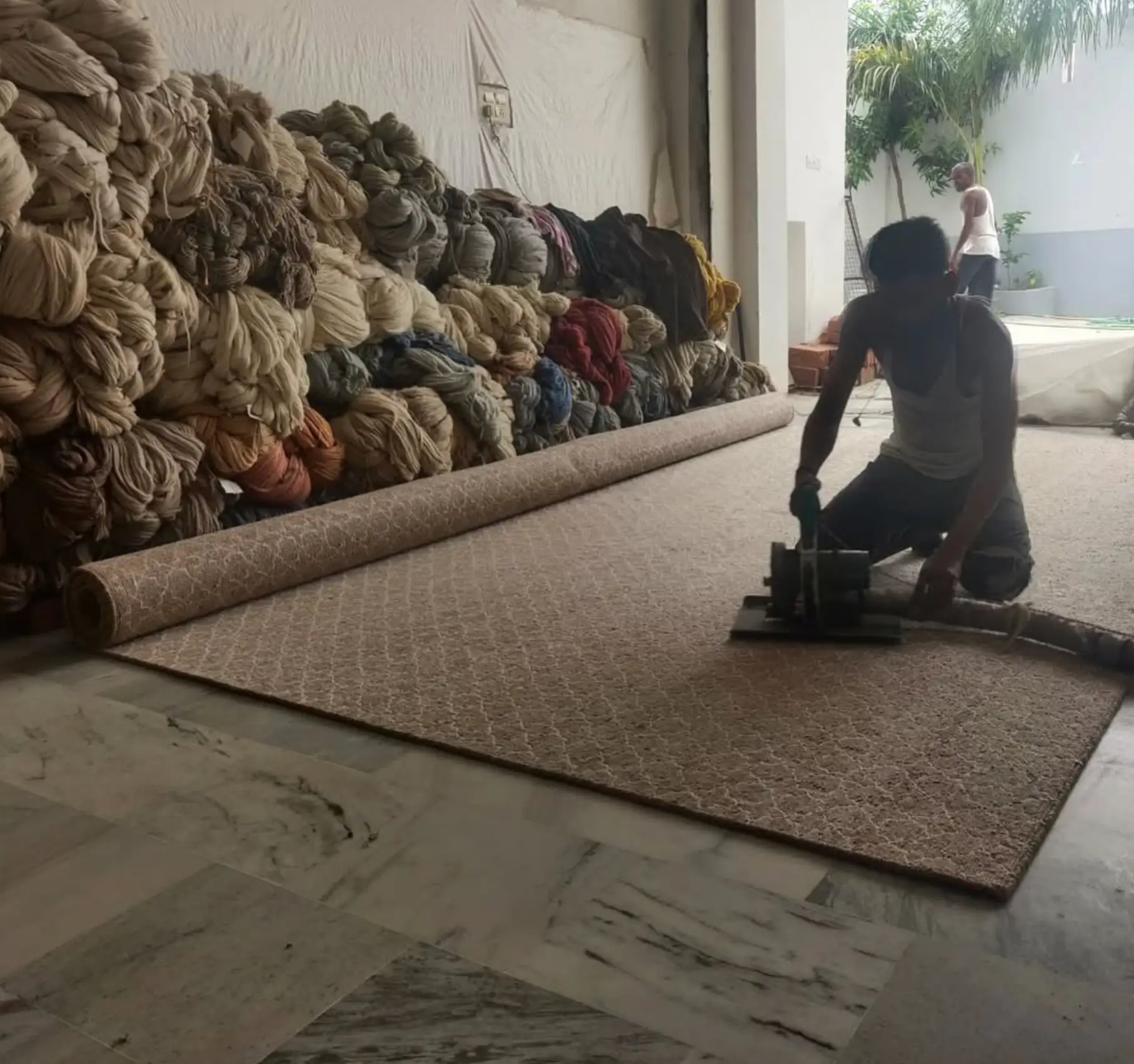
Carmen: The rug-making process is fascinating from start to finish. Many are amazed that high quality rugs can be created from recycled plastic bottles, while others are intrigued by designs made from unusual materials such as leather or crystals. Overall, the craft challenges expectations and shows that almost anything is possible.
4. When we approached you about this project, what aspects of the brief immediately stood out to you?
Jeff: What stood out was the variety across the spaces and the creative freedom in terms of colours. While there’s a clear overall identity, each room has its own character, some more playful, others more restrained.
That gave us the opportunity to approach each rug individually, rather than applying a single language throughout. In some areas, the rug plays a more decorative role, while in others it’s there to provide structure or softness and even making a statement.
It was very much about supporting Ward & Co’s response to the client and helping reinforce those different moods through material and design.
5. Interior designers often think about rugs in relation to architecture, furniture and artwork. How do you ensure a rug sits comfortably within that wider composition?
Carmen: We always begin by understanding the space as a whole - ideally reviewing plans or drawings to grasp the layout and scale of the room. This allows us to determine a rug size and shape that feels naturally works well within the space. Some designers start with the rug as the foundation of the scheme, while others introduce it once the room is more developed, but our approach remains consistent. We consider how the rug will sit within the wider composition and support the overall vision. Looking closely at the furniture, we refine the design to either complement or subtly contrast the existing palette and textures. Ultimately, the rug acts as both a unifying element and a way to elevate the space, so when it becomes a focal point, it brings a boost to the entire room.

6. For the rugs created for this project, what were the key decisions around scale, texture and colour that helped them settle naturally into the rooms?
Jeff: The approach varied from room to room.
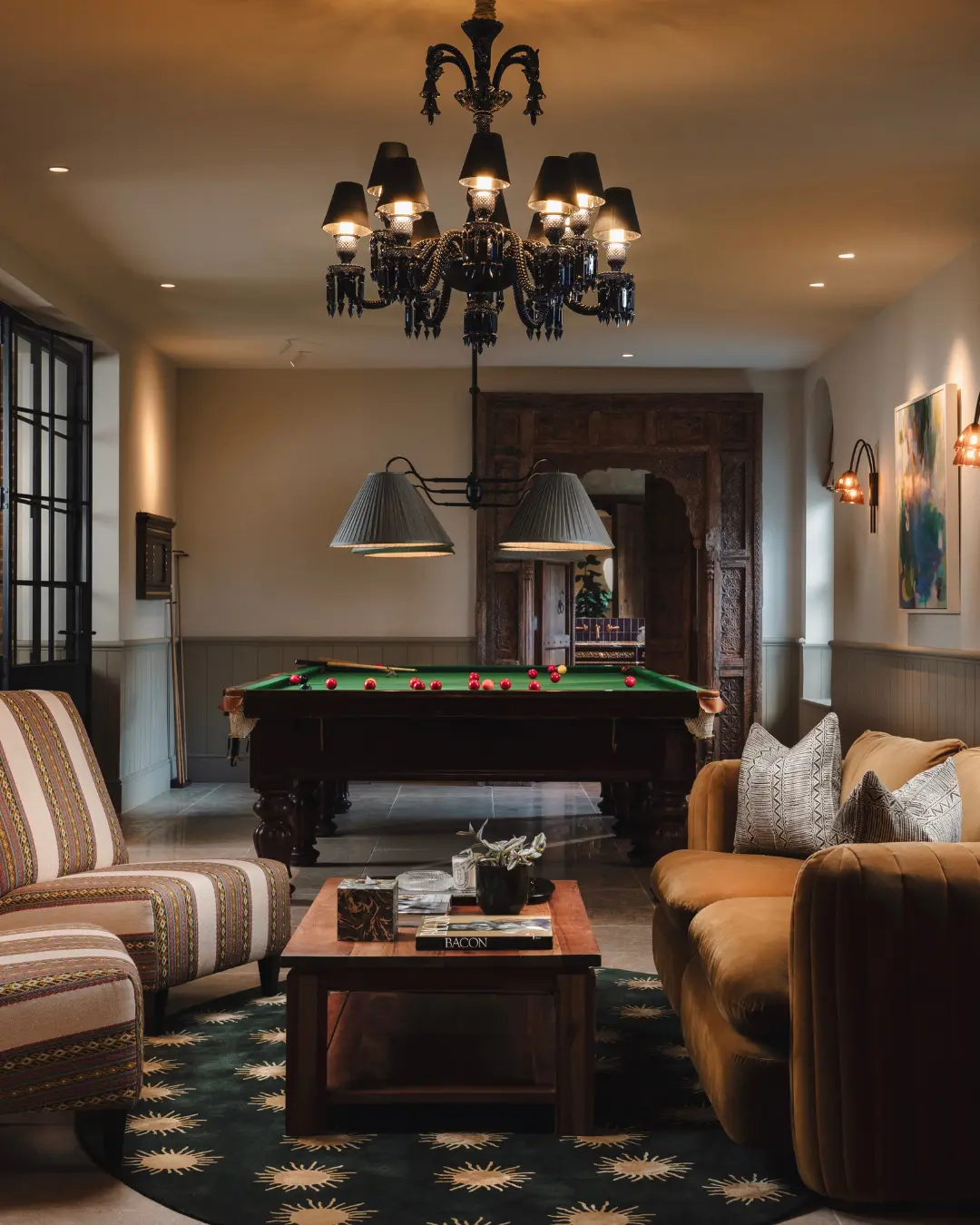
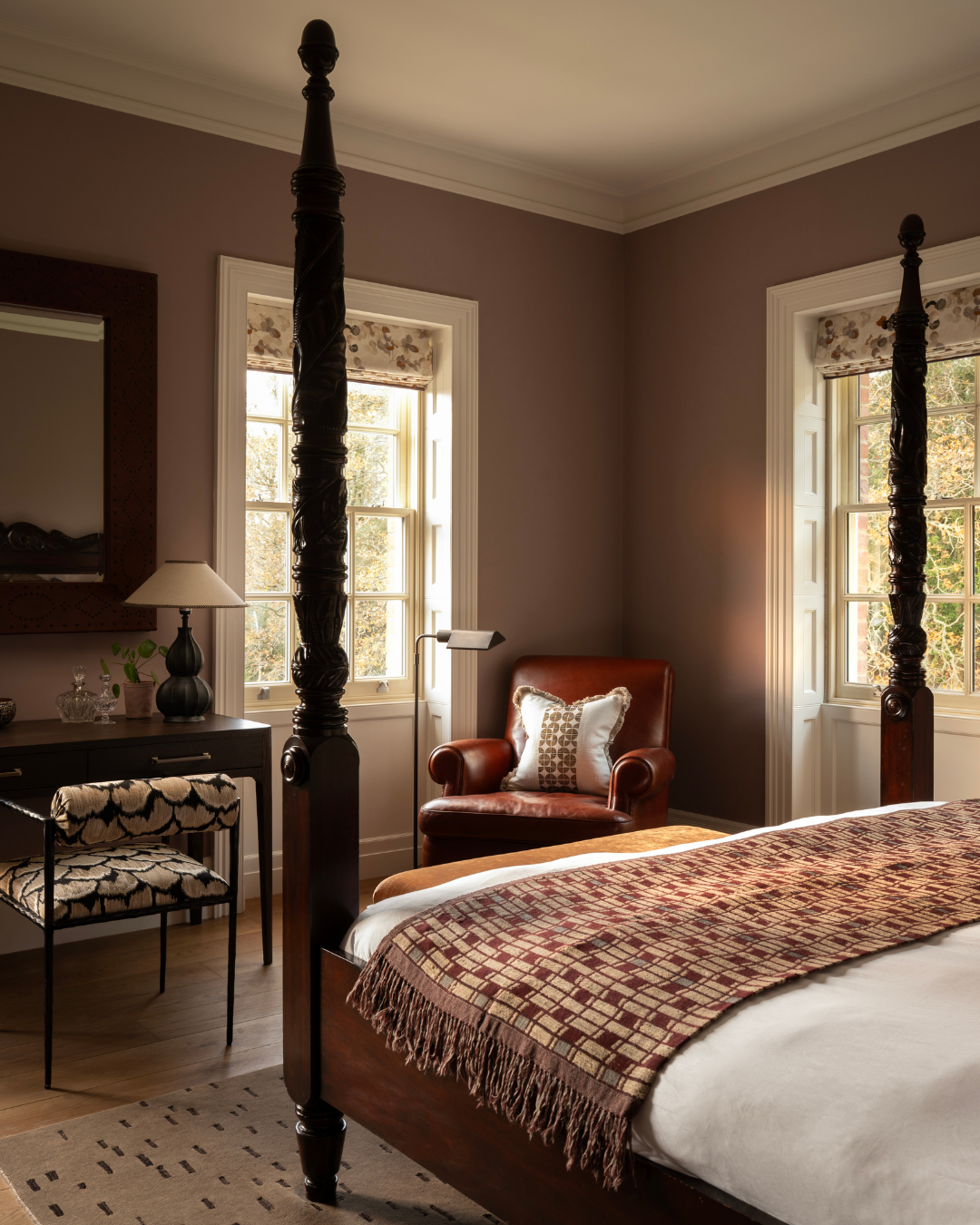
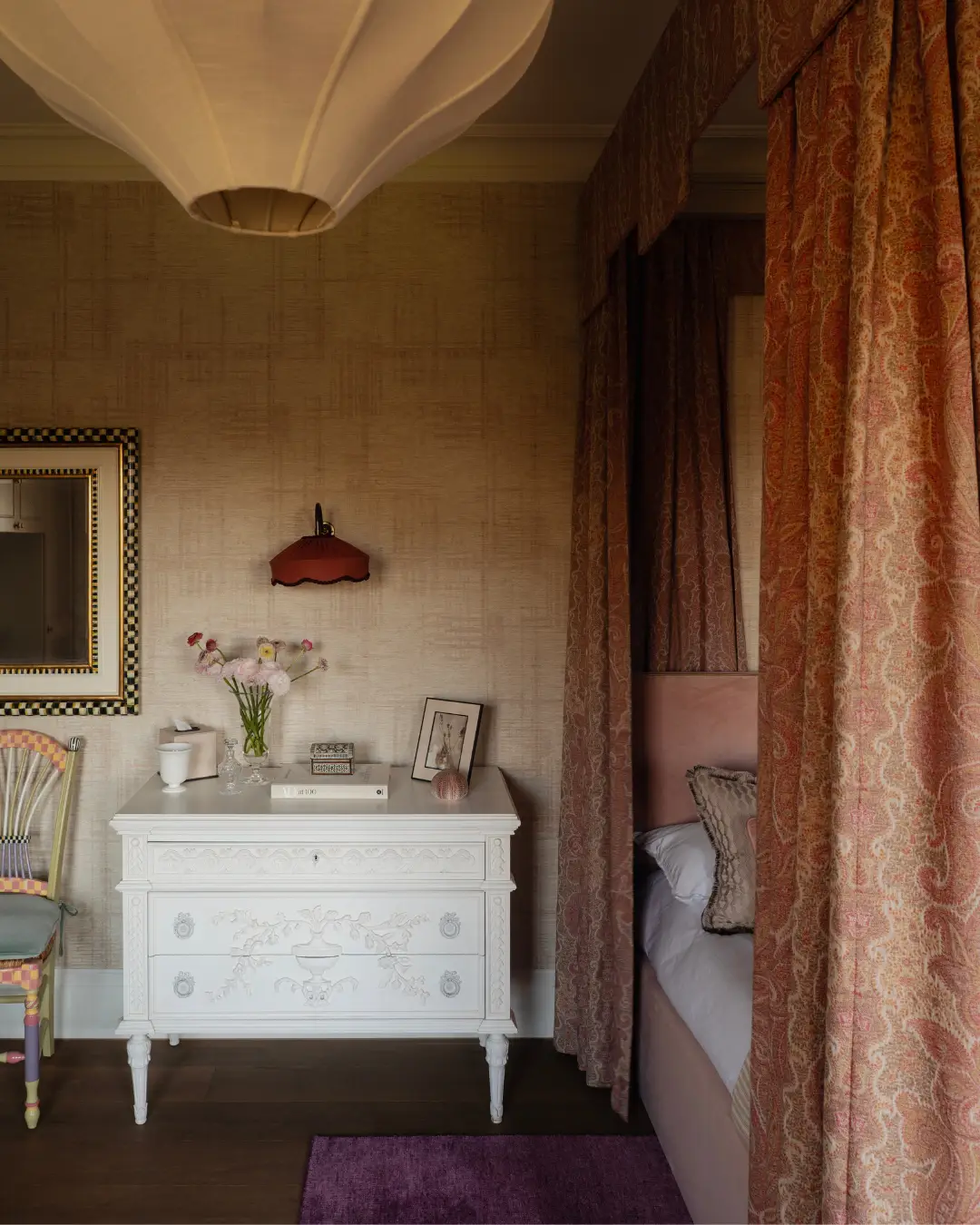
In spaces like the bedroom, the rug is deliberately understated. Soft in tone and texture, allowing the furniture and architecture to take the lead. In contrast, pieces like the green patterned rug or the circular design introduce a stronger identity, helping to define the seating areas and bring a sense of energy to the space.
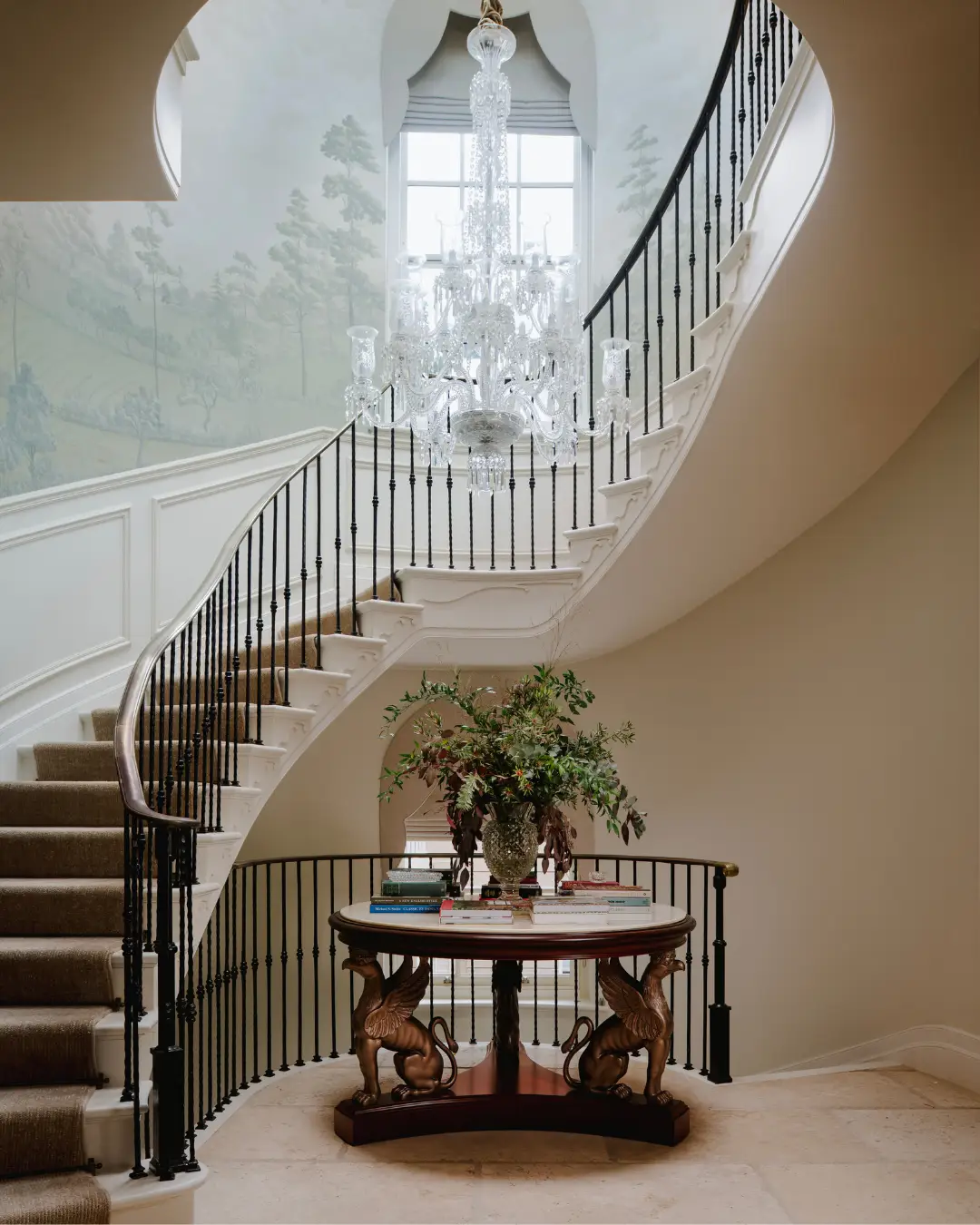
Texture was also used differently throughout to add subtle depth, other times to give a more tactile, almost sculptural quality. Alongside this, we advised on materials that would hold up well depending on how each space is used, from more decorative rooms to higher-traffic areas like the staircase.
It’s that mix of responses that allows the rugs to feel appropriate rather than uniform.
7. Looking back at the finished pieces, is there a particular element of the design or craftsmanship that you feel captures the spirit of the project?
Jeff: What really reflects the spirit of the project is the diversity of the pieces while still feeling part of the same overall story.
Each rug responds to its setting without them feeling isolated. That balance comes from a strong underlying vision from Ward & Co, combined with careful decisions around materials and execution.
In terms of craftsmanship, it’s also worth acknowledging the role of our installation team. Elements like the central runner on the spiral staircase required a high level of precision, and while technically challenging, it was executed in a way that feels almost effortless. The staircase itself is such a beautiful architectural feature, and seeing the runner follow it so cleanly really stands out as a highlight.
The best collaborations often happen quietly, through a shared understanding of proportion, craftsmanship and atmosphere. As the second edition of the Makers Series, the details beneath our feet can shape the character of a room just as much as the architecture around it.
.webp)
.svg)
ward & co. Interiors
2nd Floor, 8 Queen Anne Street, London, W1G 9LD

The Journal
The Makers Series #2 - How to Choose the Ideal Rug with Silk Avenue
May 7, 2026
Learn how effective collaboration with interior designers helps Silk Avenue to craft the perfect rug for all of their design projects.
Ward & Co’s The Makers Series explores the craftsmanship behind the details that shape a space. In this first edition, Jeff Holtgen, Director at Silk Avenue, and Carmen Arcos, Associate at Silk Avenue, discuss collaboration, materiality and the quiet impact of a well-considered rug.
Q&A
1. Rugs often become the foundation of a room. How do you approach designing something that grounds a space without overpowering it?
Carmen: I always value being part of the design conversation, especially when working with interior designers to create something cohesive and full of synergy. My starting point is understanding the overall scheme and the client’s preferences, whether that’s through colour, texture, or depth.
From there, it’s about balance - designing a rug that fits the space without competing with it. Ultimately, the goal is to create something that feels integral, enhancing and subtly elevating the room.
2. When a bespoke commission begins, what are you looking for in the brief, proportion, palette, atmosphere, or something less tangible about the space?
Jeff: We’re usually stepping into a scheme that’s already been carefully developed by the designer in response to the client, so our role is to understand where the rug can add something meaningful.
Proportion and placement are always the starting point, but beyond that we’re looking at how each space is meant to function and feel. Some rooms call for something more expressive, others for something quieter and more Grounding.
From there, we advise on materials and construction to ensure the rugs not only suit the aesthetic, but also perform well over time. It’s really about helping translate the designer’s vision into something that works both visually and Practically.
3. The making of a rug involves remarkable skill and time. What aspects of the craft do clients often find most surprising?
Carmen: The rug-making process is fascinating from start to finish. Many are amazed that high quality rugs can be created from recycled plastic bottles, while others are intrigued by designs made from unusual materials such as leather or crystals. Overall, the craft challenges expectations and shows that almost anything is possible.
4. When we approached you about this project, what aspects of the brief immediately stood out to you?
Jeff: What stood out was the variety across the spaces and the creative freedom in terms of colours. While there’s a clear overall identity, each room has its own character, some more playful, others more restrained.
That gave us the opportunity to approach each rug individually, rather than applying a single language throughout. In some areas, the rug plays a more decorative role, while in others it’s there to provide structure or softness and even making a statement.
It was very much about supporting Ward & Co’s response to the client and helping reinforce those different moods through material and design.
5. Interior designers often think about rugs in relation to architecture, furniture and artwork. How do you ensure a rug sits comfortably within that wider composition?
Carmen: We always begin by understanding the space as a whole - ideally reviewing plans or drawings to grasp the layout and scale of the room. This allows us to determine a rug size and shape that feels naturally works well within the space. Some designers start with the rug as the foundation of the scheme, while others introduce it once the room is more developed, but our approach remains consistent. We consider how the rug will sit within the wider composition and support the overall vision. Looking closely at the furniture, we refine the design to either complement or subtly contrast the existing palette and textures. Ultimately, the rug acts as both a unifying element and a way to elevate the space, so when it becomes a focal point, it brings a boost to the entire room.
6. For the rugs created for this project, what were the key decisions around scale, texture and colour that helped them settle naturally into the rooms?
Jeff: The approach varied from room to room.
In spaces like the bedroom, the rug is deliberately understated. Soft in tone and texture, allowing the furniture and architecture to take the lead. In contrast, pieces like the green patterned rug or the circular design introduce a stronger identity, helping to define the seating areas and bring a sense of energy to the space.
Texture was also used differently throughout to add subtle depth, other times to give a more tactile, almost sculptural quality. Alongside this, we advised on materials that would hold up well depending on how each space is used, from more decorative rooms to higher-traffic areas like the staircase.
It’s that mix of responses that allows the rugs to feel appropriate rather than uniform.
7. Looking back at the finished pieces, is there a particular element of the design or craftsmanship that you feel captures the spirit of the project?
Jeff: What really reflects the spirit of the project is the diversity of the pieces while still feeling part of the same overall story.
Each rug responds to its setting without them feeling isolated. That balance comes from a strong underlying vision from Ward & Co, combined with careful decisions around materials and execution.
In terms of craftsmanship, it’s also worth acknowledging the role of our installation team. Elements like the central runner on the spiral staircase required a high level of precision, and while technically challenging, it was executed in a way that feels almost effortless. The staircase itself is such a beautiful architectural feature, and seeing the runner follow it so cleanly really stands out as a highlight.
The best collaborations often happen quietly, through a shared understanding of proportion, craftsmanship and atmosphere. As the second edition of the Makers Series, the details beneath our feet can shape the character of a room just as much as the architecture around it.