

The Journal
FF&E - The Quiet Power Behind Beautiful Space and Design
How furnishing a property turns good design into places people remember, and why Ward & Co treats treats them as the soul of every interior
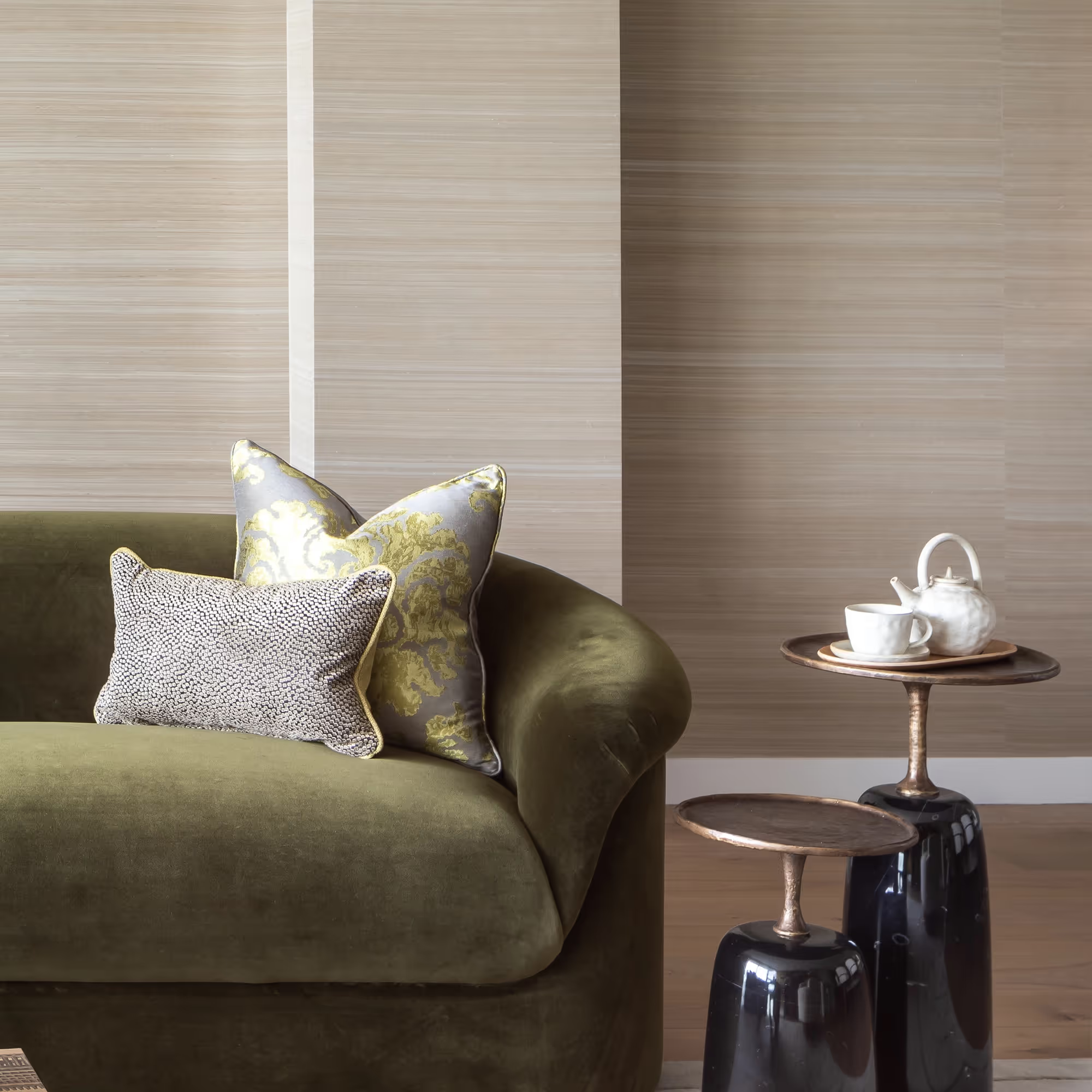
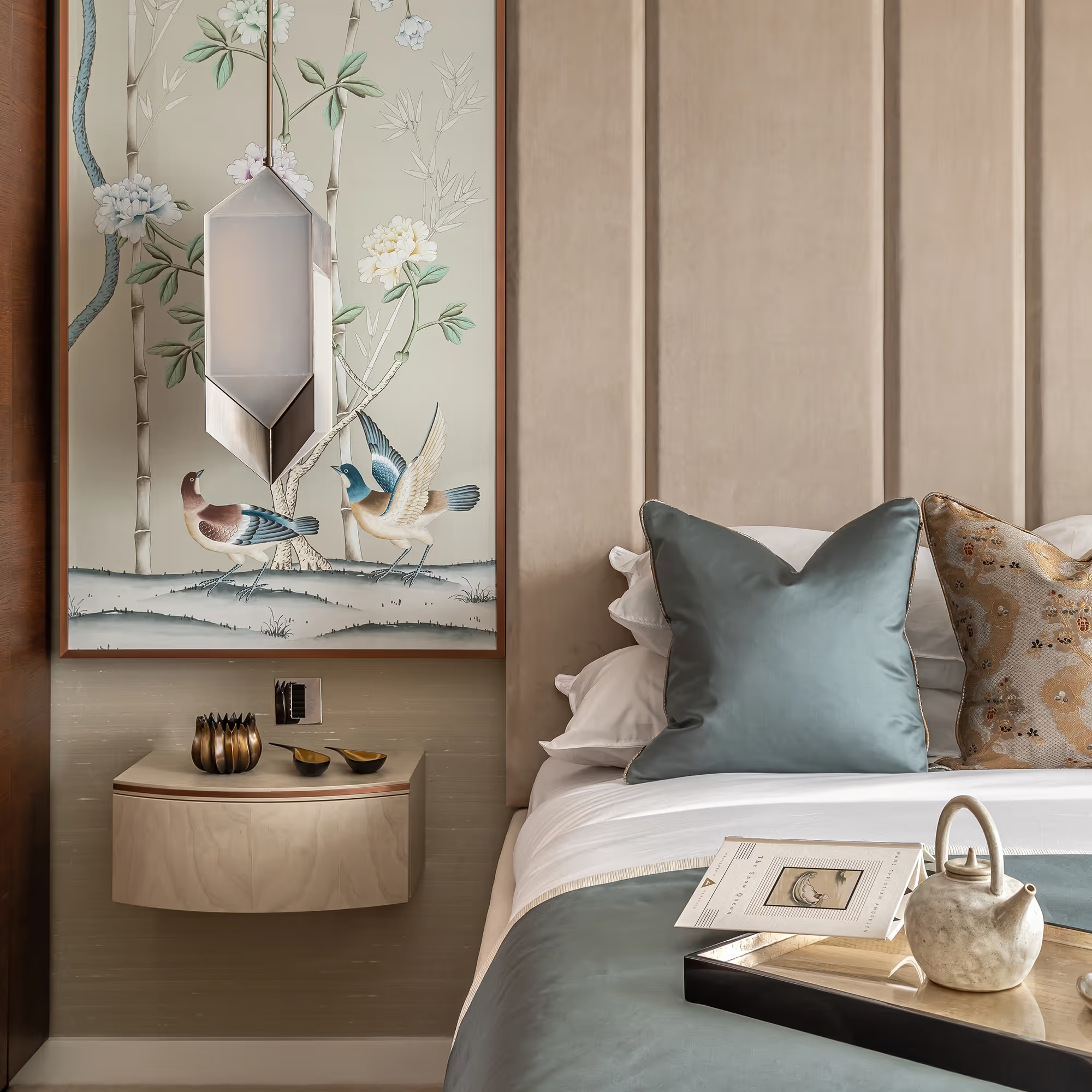
Walk into a space and you know within moments whether it has conviction.
Not because of its size or its address but because everything within it feels considered. The chair makes sense. The lighting feels right. Nothing jars. That quiet authority is not accidental. It’s the result of furniture, fixtures and equipment handled with intent.
First, let us define FF&E
FF&E, an industry term for furniture, fittings and equipment, is often reduced to a line item. At Ward & Co, it’s treated as a design language. It is where ideas become tangible and where elegance is tested against practicality.
Put simply, architecture creates the framework. FF&E shapes how that framework is experienced day to day. These three elements of design are the building blocks of interior design. Remove them, and you have a shell. Get them right, and you have a space with presence.
Below is how Ward & Co approach each element, and why it matters.
Furniture
The element that defines posture and personality
Furniture sets the tone of a room before a word is spoken. It controls how people sit, gather, pause and move. At Ward & Co, furniture is not chosen to decorate a layout. It defines it.
In private homes, proportion is deliberate and comfort is non-negotiable. Sofas invite real use. Dining tables encourage conversation. Bespoke joinery integrates seamlessly into the architecture. Beauty without function is dismissed quickly. Practicality without refinement is equally unacceptable.
Within hospitality projects, the stakes are higher. Furniture must withstand constant use while maintaining composure. In restaurants, seating determines energy. Too formal, and the space feels stiff. Too relaxed, and the atmosphere drifts. Ward & Co calibrate that balance carefully, ensuring durability never compromises elegance.
On large-scale hotel and resort schemes, furniture becomes part of brand identity. Silhouettes are controlled. Materials are robust. Climate, light and longevity are factored in from the outset. The result is furniture that feels composed, confident and built to last.
In heritage settings, contemporary pieces are introduced with restraint. History is respected. Modern comfort is delivered without noise.
Furniture, handled correctly, gives a space its stance.
Fittings
The layer that controls mood and refinement.
Fittings are quieter, but they carry enormous influence. Lighting, hardware, finishes and detailing determine how a space feels from morning to evening.
Ward & Co treat fittings as instruments of atmosphere. Lighting is specified to guide behaviour as much as illuminate. In restaurants, it must flatter both food and guest. In hotels, flexibility is essential. Arrival lighting differs from late-night ambience. Both must feel seamless.
Material selection follows the same discipline. Stone, timber, metals and textiles are chosen for integrity and longevity. Trends are avoided in favour of clarity. This ensures interiors remain relevant and composed over time rather than tied to a season.
In heritage buildings, sensitivity is paramount. New fittings must sit comfortably within protected architecture. The intervention should feel natural, not imposed.
For projects in coastal or tropical environments, fittings respond to climate. Humidity, salt air and strong light influence every specification. Ward & Co balance resilience with refinement, ensuring finishes endure without losing elegance.
Fittings are subtle, but they are decisive. They turn structure into atmosphere.
Equipment
The discipline that makes design perform
Equipment rarely appears in glossy imagery, yet it determines whether a project truly works. Ward & Co integrate equipment from the outset, never as an afterthought.
In hospitality environments, operational intelligence is fundamental. Kitchen layouts, bar equipment and service points are planned alongside the aesthetic concept. Efficiency is built into the design rather than forced into it later.
The studio collaborates closely with consultants and contractors to ensure equipment supports rather than disrupts the narrative. Technology is concealed cleanly. Services are integrated with precision.
In private residences, equipment includes appliances, climate systems and integrated technology. These elements are specified to enhance daily life in a way that feels intuitive. Control systems are streamlined. Storage is engineered. Function is elevated, not exposed.
Within historic properties, introducing modern equipment requires careful coordination. Infrastructure must meet contemporary standards while respecting existing fabric. That balance demands experience and restraint.
Equipment may sit behind the scenes, but it underpins credibility.
The Ward & Co Standard
Where detail becomes distinction.
When it comes to FF&E, furniture establishes presence, fittings shape mood, and equipment ensures performance. They are never treated as separate checklists. They are coordinated as one disciplined design strategy.
This is what allows a space to feel resolved rather than assembled. It is what elevates a private residence beyond comfort, a hotel beyond functionality, a restaurant beyond aesthetics.
Design should feel effortless.
Performance should feel seamless.
And every element, without exception, should earn its place.
.svg)
ward & co. Interiors
2nd Floor, 8 Queen Anne Street, London, W1G 9LD

The Journal
FF&E - The Quiet Power Behind Beautiful Space and Design
March 17, 2026
How furnishing a property turns good design into places people remember, and why Ward & Co treats treats them as the soul of every interior
Walk into a space and you know within moments whether it has conviction.
Not because of its size or its address but because everything within it feels considered. The chair makes sense. The lighting feels right. Nothing jars. That quiet authority is not accidental. It’s the result of furniture, fixtures and equipment handled with intent.
First, let us define FF&E
FF&E, an industry term for furniture, fittings and equipment, is often reduced to a line item. At Ward & Co, it’s treated as a design language. It is where ideas become tangible and where elegance is tested against practicality.
Put simply, architecture creates the framework. FF&E shapes how that framework is experienced day to day. These three elements of design are the building blocks of interior design. Remove them, and you have a shell. Get them right, and you have a space with presence.
Below is how Ward & Co approach each element, and why it matters.
Furniture
The element that defines posture and personality
Furniture sets the tone of a room before a word is spoken. It controls how people sit, gather, pause and move. At Ward & Co, furniture is not chosen to decorate a layout. It defines it.
In private homes, proportion is deliberate and comfort is non-negotiable. Sofas invite real use. Dining tables encourage conversation. Bespoke joinery integrates seamlessly into the architecture. Beauty without function is dismissed quickly. Practicality without refinement is equally unacceptable.
Within hospitality projects, the stakes are higher. Furniture must withstand constant use while maintaining composure. In restaurants, seating determines energy. Too formal, and the space feels stiff. Too relaxed, and the atmosphere drifts. Ward & Co calibrate that balance carefully, ensuring durability never compromises elegance.
On large-scale hotel and resort schemes, furniture becomes part of brand identity. Silhouettes are controlled. Materials are robust. Climate, light and longevity are factored in from the outset. The result is furniture that feels composed, confident and built to last.
In heritage settings, contemporary pieces are introduced with restraint. History is respected. Modern comfort is delivered without noise.
Furniture, handled correctly, gives a space its stance.
Fittings
The layer that controls mood and refinement.
Fittings are quieter, but they carry enormous influence. Lighting, hardware, finishes and detailing determine how a space feels from morning to evening.
Ward & Co treat fittings as instruments of atmosphere. Lighting is specified to guide behaviour as much as illuminate. In restaurants, it must flatter both food and guest. In hotels, flexibility is essential. Arrival lighting differs from late-night ambience. Both must feel seamless.
Material selection follows the same discipline. Stone, timber, metals and textiles are chosen for integrity and longevity. Trends are avoided in favour of clarity. This ensures interiors remain relevant and composed over time rather than tied to a season.
In heritage buildings, sensitivity is paramount. New fittings must sit comfortably within protected architecture. The intervention should feel natural, not imposed.
For projects in coastal or tropical environments, fittings respond to climate. Humidity, salt air and strong light influence every specification. Ward & Co balance resilience with refinement, ensuring finishes endure without losing elegance.
Fittings are subtle, but they are decisive. They turn structure into atmosphere.
Equipment
The discipline that makes design perform
Equipment rarely appears in glossy imagery, yet it determines whether a project truly works. Ward & Co integrate equipment from the outset, never as an afterthought.
In hospitality environments, operational intelligence is fundamental. Kitchen layouts, bar equipment and service points are planned alongside the aesthetic concept. Efficiency is built into the design rather than forced into it later.
The studio collaborates closely with consultants and contractors to ensure equipment supports rather than disrupts the narrative. Technology is concealed cleanly. Services are integrated with precision.
In private residences, equipment includes appliances, climate systems and integrated technology. These elements are specified to enhance daily life in a way that feels intuitive. Control systems are streamlined. Storage is engineered. Function is elevated, not exposed.
Within historic properties, introducing modern equipment requires careful coordination. Infrastructure must meet contemporary standards while respecting existing fabric. That balance demands experience and restraint.
Equipment may sit behind the scenes, but it underpins credibility.
The Ward & Co Standard
Where detail becomes distinction.
When it comes to FF&E, furniture establishes presence, fittings shape mood, and equipment ensures performance. They are never treated as separate checklists. They are coordinated as one disciplined design strategy.
This is what allows a space to feel resolved rather than assembled. It is what elevates a private residence beyond comfort, a hotel beyond functionality, a restaurant beyond aesthetics.
Design should feel effortless.
Performance should feel seamless.
And every element, without exception, should earn its place.