

The Journal
Built to Endure: Contemporary Living Inside Historic Walls
Explore how we work with historic buildings to build upon the original feel of the design and maintain its authority.
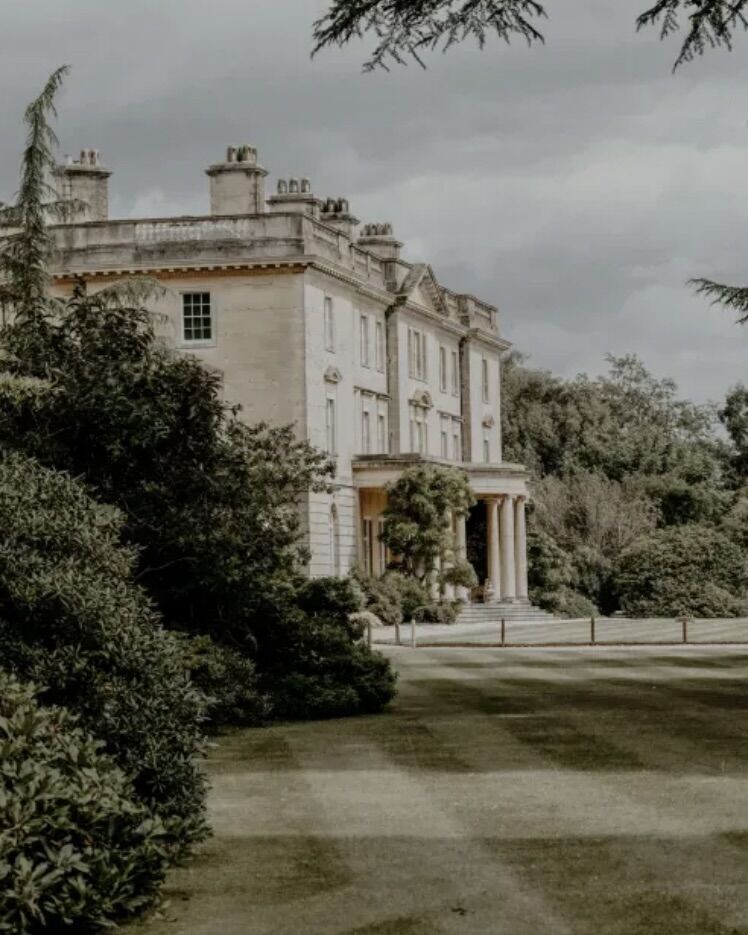
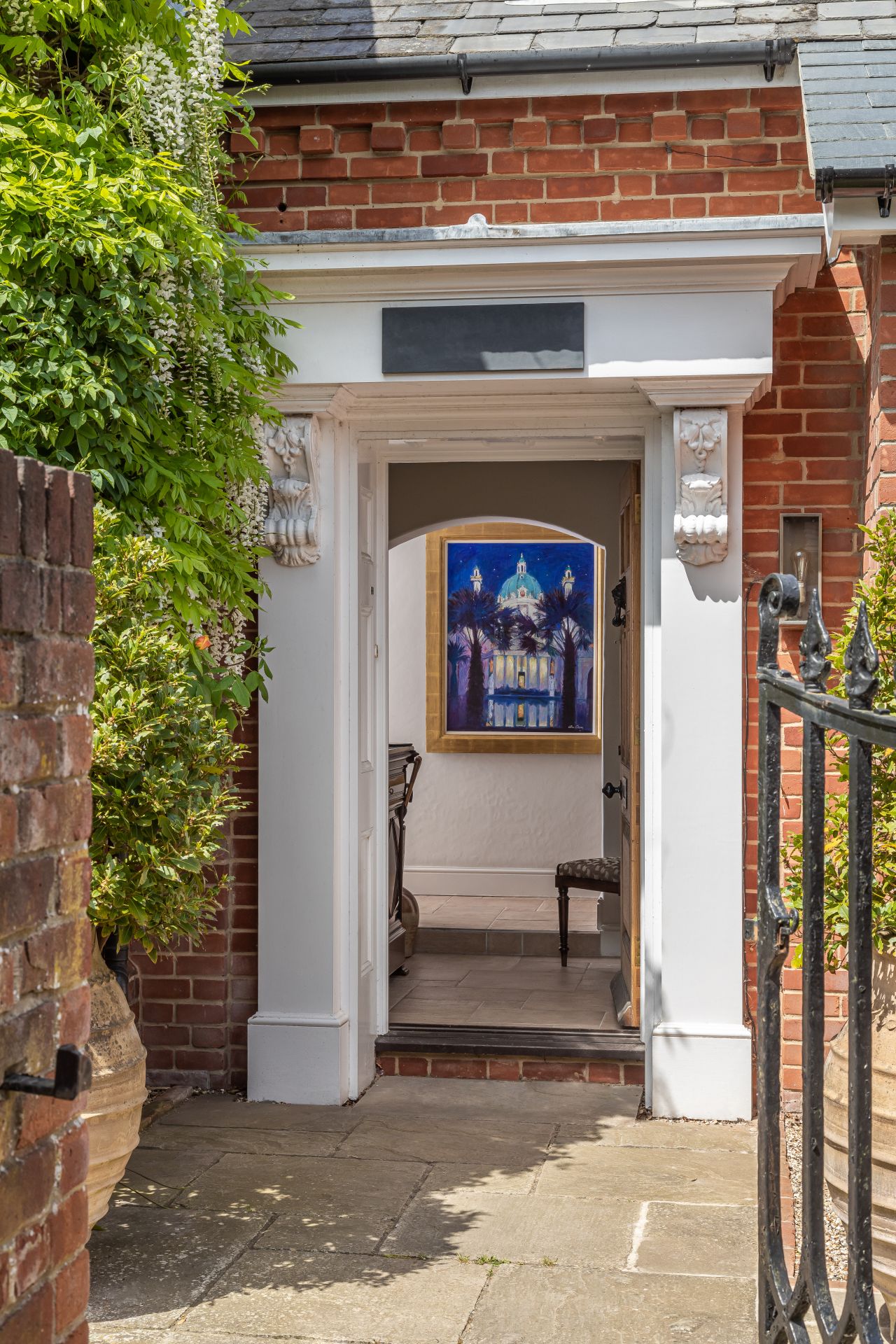
Some buildings arrive with a sense of authority. You feel it the moment you step inside: the scale, the craftsmanship, the quiet confidence of spaces built to endure. These are not blank canvases. They are layered, expressive, and deeply particular. Designing them well requires more than taste. It requires judgement.
At Ward & Co, we work extensively with historic buildings, including the most common and often most misunderstood category: the grade 2 listed building. For the purposes of this article, we will mostly refer to these properties more broadly as historic buildings — not to dilute their status, but to focus on what truly matters:how they can be lived in, elevated, and quietly transformed.
A brief word on listing (Without the lecture)
In England, listed buildings fall into three broad categories. Grade I covers buildings of exceptional interest. Grade II* sits just below that, for particularly important structures. The majority — and the homes most people actually live in —fall under Grade II. These are buildings recognised for their special architectural or historic interest and protected accordingly
We understand the distinctions. We work with them daily. But when it comes to design, what matters less is the label and more the responsibility that comes with it. A grade 2 listed building is, at heart, a historic building — one that deserves intelligence, restraint and imagination in equal measure.
Designing with history, not around it
Historic buildings do not need to be “saved” by design. They need to be understood. Original staircases, fireplaces, cornicing, panelled walls and generous windows are not constraints; they are the defining features that give a space its authority.
Our approach is to preserve these elements where they matter most, allowing them to lead the narrative of the interior. Proportions are respected. Architectural rhythm is maintained. Nothing is stripped back without purpose, and nothing new is introduced without reason. The result is an interior that feels coherent, confident and anchored to its setting.
The quiet tension between old and new
The most successful historic interiors are rarely those that attempt to recreate a single moment in time. They are the ones that embrace contrast with discipline. Contemporary furniture set against aged plaster. Modern lighting woven carefully into centuries-old rooms. Clean lines softening, rather than fighting, ornament and detail.
This balance is particularly important in a grade 2 listed building, where sensitivity is expected but creativity is still possible. We introduce modern interventions that feel intentional and calm, ensuring that new layers enhance how the building functions today without eroding its character.
Materials, colour and the weight of craft
Material choice carries more weight in historic buildings. Finishes need to feel honest and appropriate, not simply fashionable. Natural materials — stone, timber, lime plaster, metals with depth and patina — tend to sit more comfortably alongside the original fabric of these homes.
Colour is treated with similar care. We often begin by understanding the building’s period and architectural language, then move beyond it. Historical palettes inform, rather than dictate, the final scheme. The aim is not nostalgia, but continuity — spaces that feel grounded, elegant and unmistakably current.
Bespoke craftsmanship plays a central role. From joinery to furniture, custom pieces allow us to respond precisely to the quirks, proportions and constraints of historic buildings. Nothing is generic. Nothing is overworked.
Navigating complexity without making it yours
Working on a grade 2 listed building involves process as much as creativity. Permissions, consultations and approvals are part of the landscape. Our role is to manage this quietly and effectively.
We collaborate closely with specialist architects and consultants, liaising with local authorities to ensure that proposals are both sensitive and robust. Clients are guided with clarity, not overwhelmed with procedure. The complexity stays behind the scenes; the vision remains front and centre.
A different kind of luxury
Luxury in a historic building is not about excess. It is about ease, proportion and confidence. Rooms that flow naturally. Details that feel considered rather than decorative. Interiors that acknowledge their past while feeling entirely relevant to modern life.
When approached properly, a grade 2 listed building becomes more than a protected asset. It becomes a deeply personal home — layered, intelligent and quietly remarkable.
If you are looking to reimagine a historic building and want a design partner who understands both the responsibility and the opportunity these properties present, Ward & Co would be delighted to talk, whether it is a residential or development project. The conversation always starts with the building — and ends with a home that feels effortlessly its own.
.svg)
ward & co. Interiors
2nd Floor, 8 Queen Anne Street, London, W1G 9LD

The Journal
Built to Endure: Contemporary Living Inside Historic Walls
January 30, 2026
Explore how we work with historic buildings to build upon the original feel of the design and maintain its authority.
Some buildings arrive with a sense of authority. You feel it the moment you step inside: the scale, the craftsmanship, the quiet confidence of spaces built to endure. These are not blank canvases. They are layered, expressive, and deeply particular. Designing them well requires more than taste. It requires judgement.
At Ward & Co, we work extensively with historic buildings, including the most common and often most misunderstood category: the grade 2 listed building. For the purposes of this article, we will mostly refer to these properties more broadly as historic buildings — not to dilute their status, but to focus on what truly matters:how they can be lived in, elevated, and quietly transformed.
A brief word on listing (Without the lecture)
In England, listed buildings fall into three broad categories. Grade I covers buildings of exceptional interest. Grade II* sits just below that, for particularly important structures. The majority — and the homes most people actually live in —fall under Grade II. These are buildings recognised for their special architectural or historic interest and protected accordingly
We understand the distinctions. We work with them daily. But when it comes to design, what matters less is the label and more the responsibility that comes with it. A grade 2 listed building is, at heart, a historic building — one that deserves intelligence, restraint and imagination in equal measure.
Designing with history, not around it
Historic buildings do not need to be “saved” by design. They need to be understood. Original staircases, fireplaces, cornicing, panelled walls and generous windows are not constraints; they are the defining features that give a space its authority.
Our approach is to preserve these elements where they matter most, allowing them to lead the narrative of the interior. Proportions are respected. Architectural rhythm is maintained. Nothing is stripped back without purpose, and nothing new is introduced without reason. The result is an interior that feels coherent, confident and anchored to its setting.
The quiet tension between old and new
The most successful historic interiors are rarely those that attempt to recreate a single moment in time. They are the ones that embrace contrast with discipline. Contemporary furniture set against aged plaster. Modern lighting woven carefully into centuries-old rooms. Clean lines softening, rather than fighting, ornament and detail.
This balance is particularly important in a grade 2 listed building, where sensitivity is expected but creativity is still possible. We introduce modern interventions that feel intentional and calm, ensuring that new layers enhance how the building functions today without eroding its character.
Materials, colour and the weight of craft
Material choice carries more weight in historic buildings. Finishes need to feel honest and appropriate, not simply fashionable. Natural materials — stone, timber, lime plaster, metals with depth and patina — tend to sit more comfortably alongside the original fabric of these homes.
Colour is treated with similar care. We often begin by understanding the building’s period and architectural language, then move beyond it. Historical palettes inform, rather than dictate, the final scheme. The aim is not nostalgia, but continuity — spaces that feel grounded, elegant and unmistakably current.
Bespoke craftsmanship plays a central role. From joinery to furniture, custom pieces allow us to respond precisely to the quirks, proportions and constraints of historic buildings. Nothing is generic. Nothing is overworked.
Navigating complexity without making it yours
Working on a grade 2 listed building involves process as much as creativity. Permissions, consultations and approvals are part of the landscape. Our role is to manage this quietly and effectively.
We collaborate closely with specialist architects and consultants, liaising with local authorities to ensure that proposals are both sensitive and robust. Clients are guided with clarity, not overwhelmed with procedure. The complexity stays behind the scenes; the vision remains front and centre.
A different kind of luxury
Luxury in a historic building is not about excess. It is about ease, proportion and confidence. Rooms that flow naturally. Details that feel considered rather than decorative. Interiors that acknowledge their past while feeling entirely relevant to modern life.
When approached properly, a grade 2 listed building becomes more than a protected asset. It becomes a deeply personal home — layered, intelligent and quietly remarkable.
If you are looking to reimagine a historic building and want a design partner who understands both the responsibility and the opportunity these properties present, Ward & Co would be delighted to talk, whether it is a residential or development project. The conversation always starts with the building — and ends with a home that feels effortlessly its own.